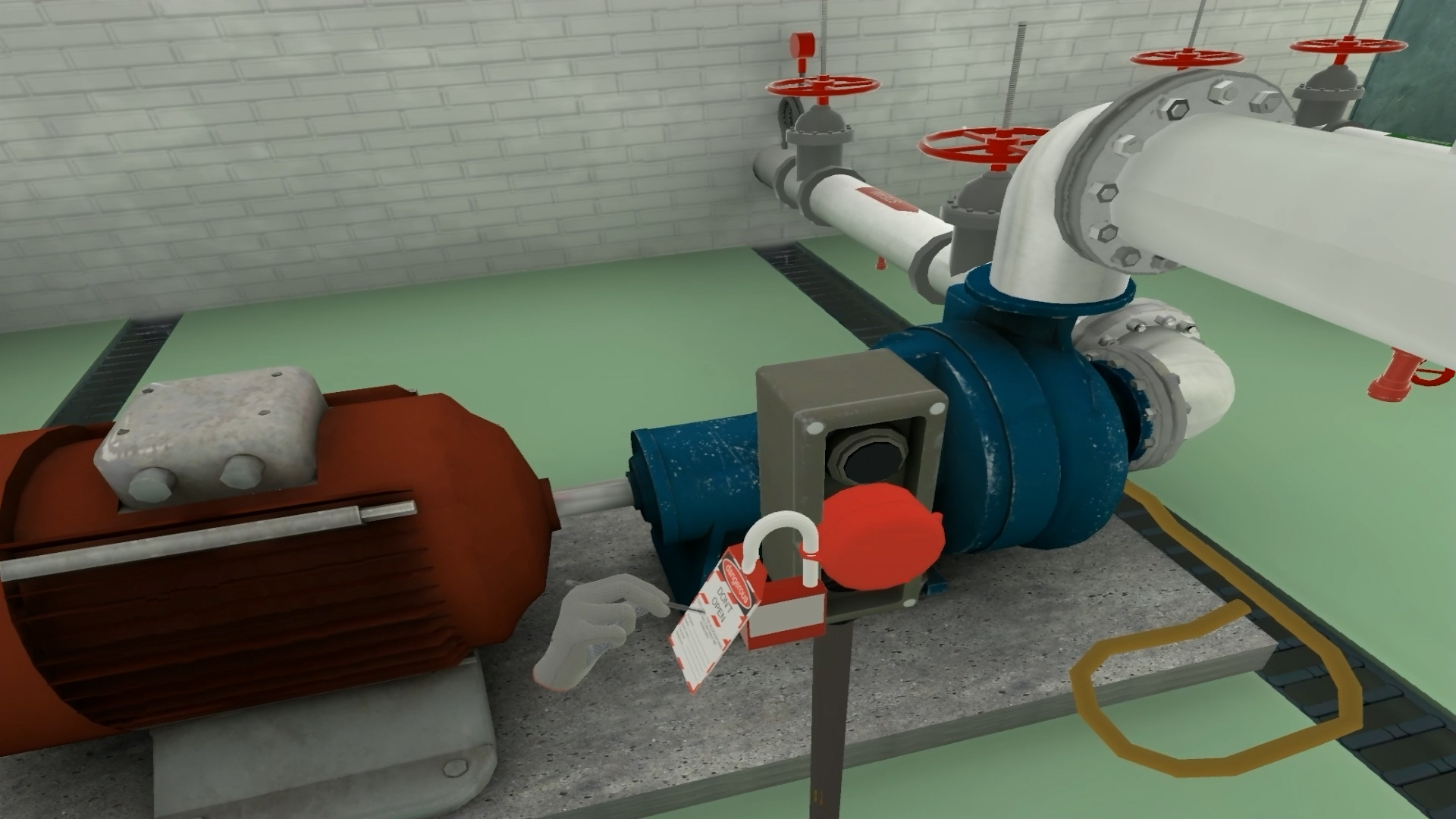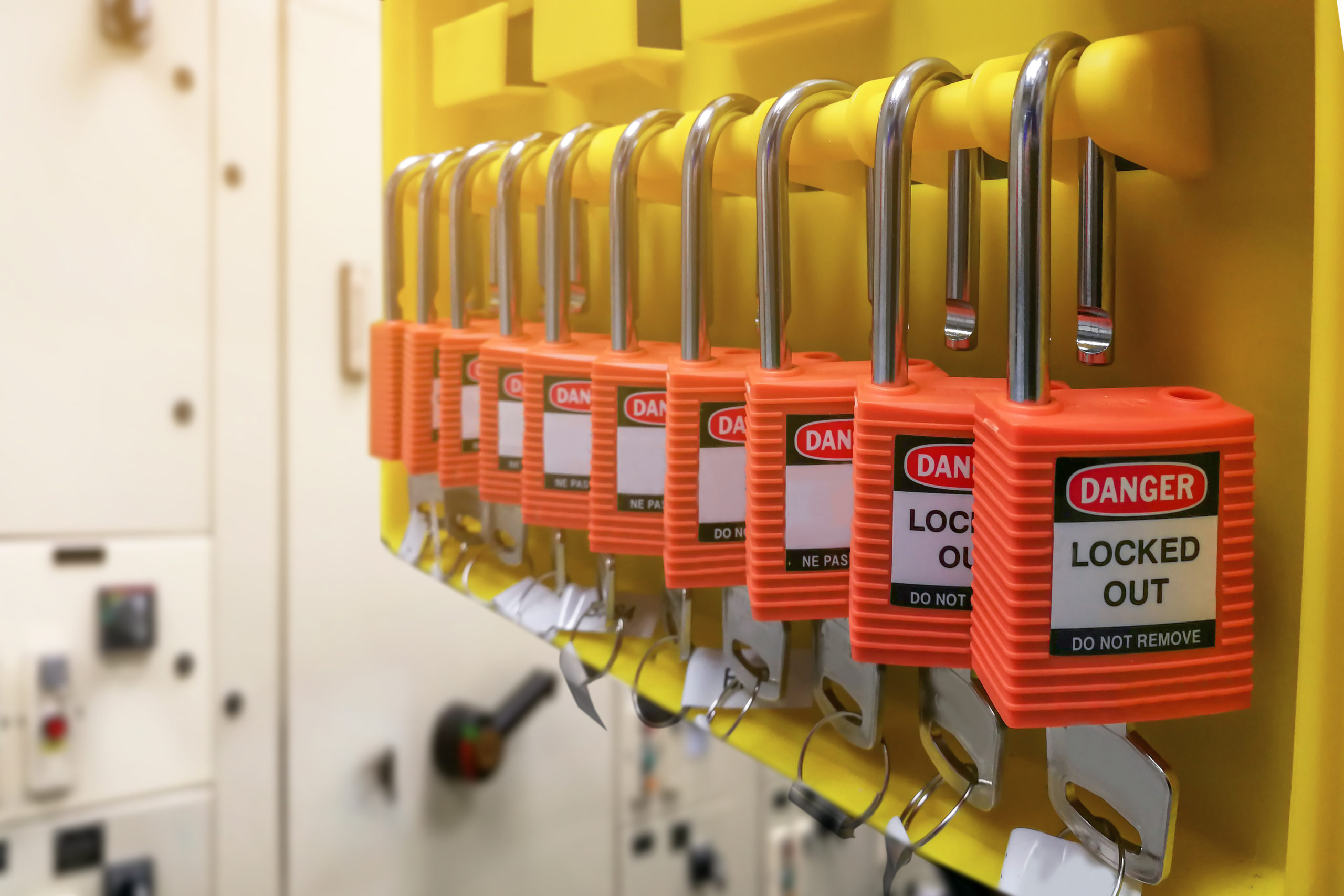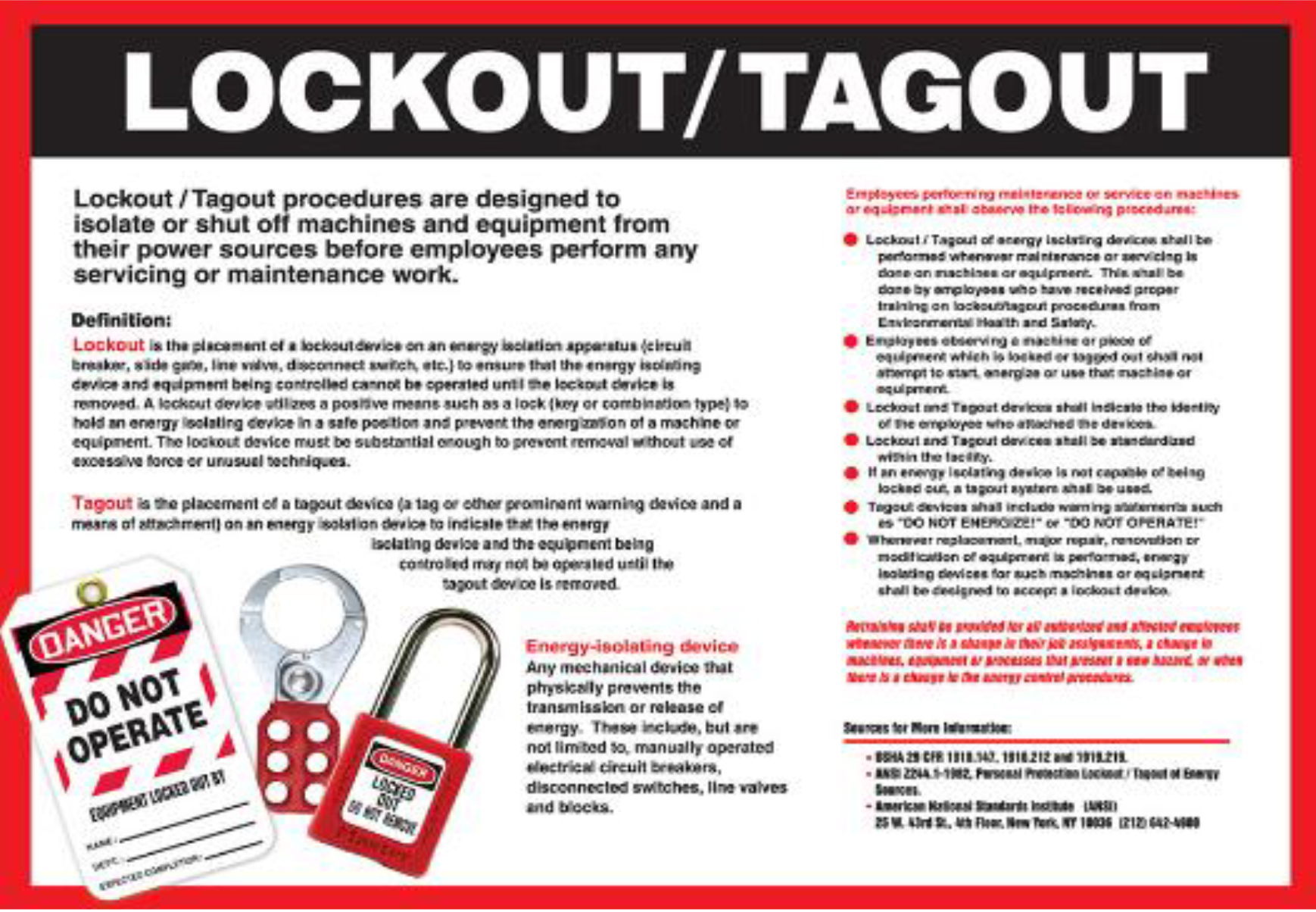
Every time machinery is serviced, a hidden danger lurks—unexpected startup. One missed step in isolating energy sources can turn routine maintenance into a life-altering incident. That’s where the lockout tagout log form comes in. It’s not just paperwork. It’s a legal, operational, and ethical safeguard that documents every critical control point during shutdown procedures.
More than a checklist, the lockout tagout (LOTO) log form serves as a real-time record of who locked out equipment, when, why, and when it was safely returned to service. OSHA mandates documentation for energy control procedures, and without a clear, consistent log, compliance is impossible. Worse, safety collapses.
This article breaks down what makes an effective LOTO log form, how to implement it correctly, and the costly mistakes organizations make—even when they think they’re compliant.
What Is a Lockout Tagout Log Form?
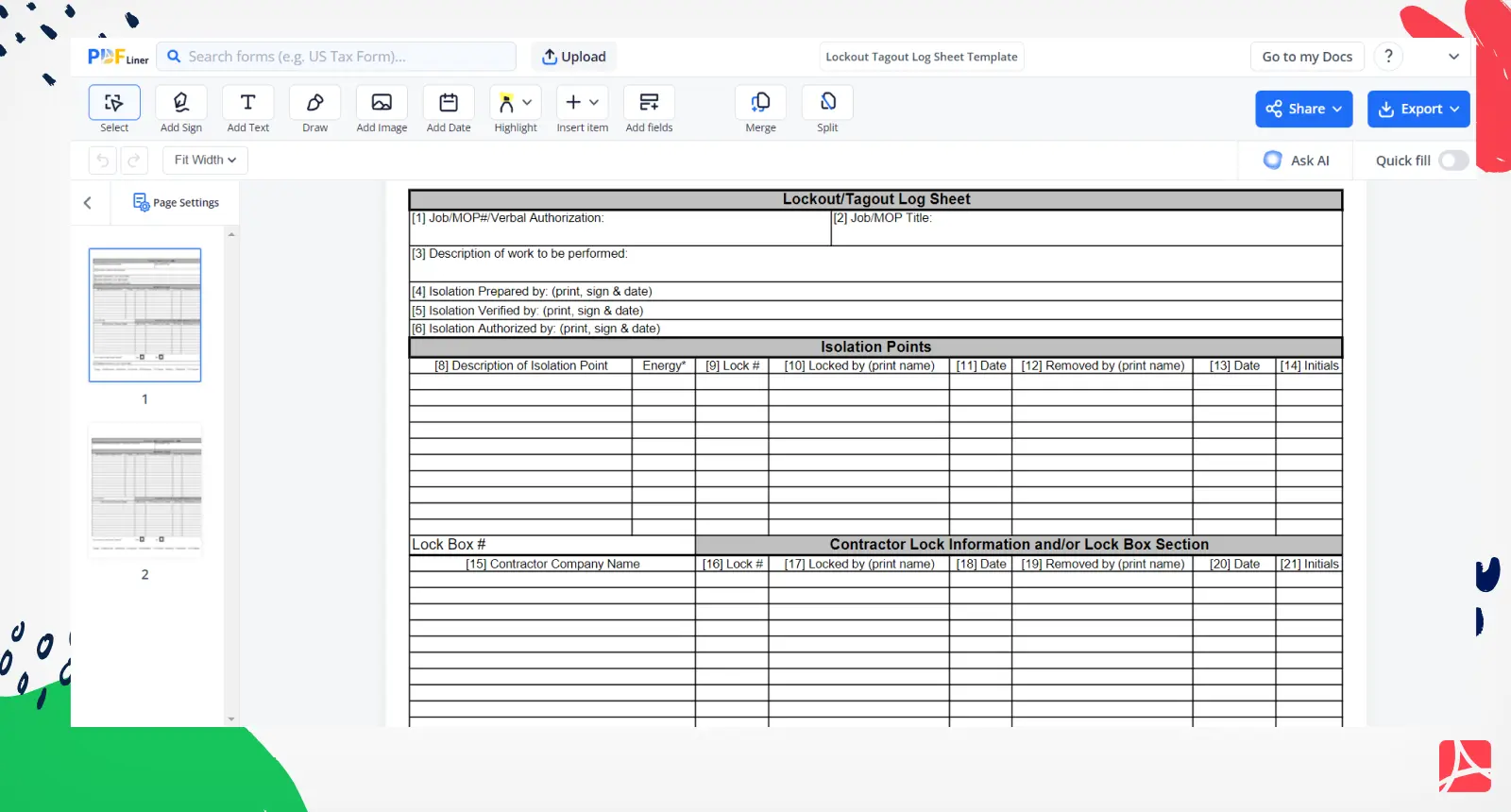
A lockout tagout log form is a standardized document used to record all lockout activities on equipment or machinery requiring service. It captures essential details such as:
- Equipment name or ID
- Date and time of lockout
- Authorized employee(s) applying locks
- Type of energy isolated (electrical, hydraulic, pneumatic, etc.)
- Number and location of locks/tags applied
- Reason for shutdown
- Verification of zero energy state
- Time and signature for release
Unlike a LOTO procedure, which outlines how to shut down a machine, the log form is the record of that action being taken. It creates an audit trail and ensures accountability.
Real-World Use Case
At a Midwest manufacturing plant, maintenance crews service a conveyor system every Friday. Before work begins, each technician applies their personal lock, attaches a tag, and logs the action on the central LOTO log form posted nearby. The supervisor verifies isolation, signs off, and only then does work begin. Upon completion, each technician removes their own lock and initials the release section. The completed log is archived for 90 days.
This isn’t overkill—it’s procedure. And without the log, there’s no proof it happened.
Why a LOTO Log Form Is Non-Negotiable
Ignoring documentation doesn’t just risk non-compliance—it enables human error.
OSHA Requires It
While OSHA 1910.147 doesn’t explicitly say “log form” in every paragraph, it mandates that employers document their energy control program. Section (d)(3) requires periodic inspections, and (e)(3) demands employee certification—all of which rely on written records. A log form is the simplest, most effective way to meet these requirements.
Prevents Miscommunication
Imagine two technicians working on different shifts. Without a log, the second technician might assume the machine is safe—only to find someone else’s lock still in place, with no way to know why or who applied it. A log form eliminates guesswork. It answers: Who locked it? When? For what purpose?
Supports Incident Investigations
When an accident occurs, investigators look for records. Was lockout performed? Were all steps followed? The log form serves as evidence—either protecting the company or exposing a gap in safety culture.
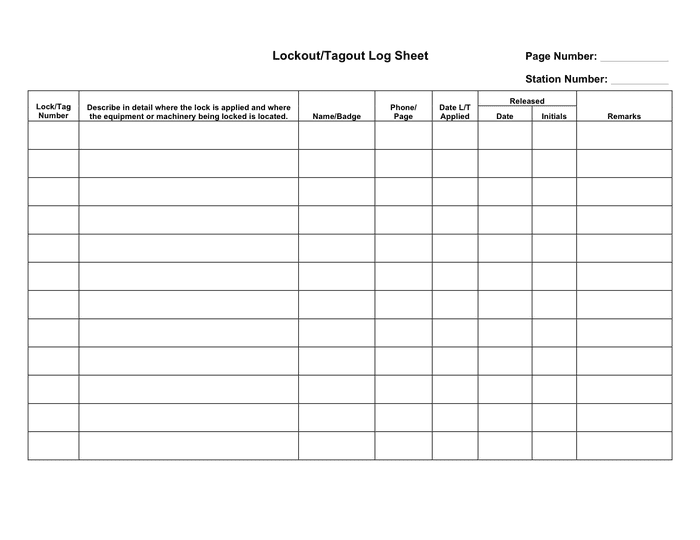
Essential Elements of an Effective LOTO Log Form
A poorly designed form leads to incomplete entries, skipped steps, and liability. To be effective, a LOTO log must include specific components.
1. Equipment Identification Use precise naming: “Hydraulic Press #3 – Assembly Line B,” not just “Press.” Include asset numbers if available.
2. Lockout/Tagout Timing Record both start and end times. This helps track duration of service and identifies potential bottlenecks.
3. Authorized Personnel List names and signatures. Each employee must apply and remove their own lock—no exceptions.
4. Energy Types Isolated Check all that apply: electrical, mechanical, pneumatic, hydraulic, chemical, thermal. This ensures thorough hazard assessment.
5. Lock and Tag Inventory Number each lock/tag applied and note its location (e.g., “Lock #042 – Main Power Disconnect Panel”).
6. Verification of Isolation Include a line for confirming zero energy state—tested with a voltage tester, pressure gauge, etc. This is not optional.
7. Supervisor Approval A responsible supervisor must verify the lockout before work begins.
8. Release Authorization Only after all work is complete and tools removed should locks be removed—each by the individual who applied them.
Pro Tip: Use a multi-copy form—one stays on-site, one goes to maintenance records, and one is archived monthly.
Common Mistakes That Undermine LOTO Logs
Even companies with forms on file often get it wrong. Here’s where they fail:
1. Using a Generic Template A one-size-fits-all form doesn’t work. A CNC machine has different energy sources than a boiler. Customize each log to the equipment.
2. Allowing Blank or Incomplete Fields A missing signature, vague reason for shutdown, or omitted lock number invalidates the entire process. Enforce completeness.
3. Failing to Train Employees on Documentation
Many workers understand lockout steps but treat the log as an afterthought. Train on why documentation matters—not just how.
4. Not Archiving Logs OSHA can request records from inspections up to one year prior. If you can’t produce them, it’s a citation.
5. Permitting Group Lockout Without Group Logs In team maintenance, a group lockout box is used. But each member must still be listed on the log. A single signature doesn’t cut it.
How to Implement a LOTO Log System That Works
A form alone won’t change behavior. It needs structure, training, and consistency.
Step 1: Map Your Critical Equipment Identify all machinery requiring lockout. Assign unique IDs and develop specific LOTO procedures for each.
Step 2: Design Custom Log Forms Use your procedures to build tailored log forms. Include diagrams if helpful—e.g., where lock points are located.
Step 3: Train Employees Thoroughly Cover not just how to lock out, but how to document it. Use role-playing: “You’re servicing a pump. Fill out the log.”
Step 4: Integrate with Maintenance Workflow Link the log form to work orders. No log completed, no work approved. Make it part of the process.

Step 5: Audit Monthly Randomly review 10% of logs each month. Check for accuracy, completeness, and compliance. Provide feedback.
Case Example: A food processing plant reduced LOTO violations by 76% in six months simply by adding weekly log audits and supervisor sign-off requirements.
Digital vs. Paper LOTO Logs: What’s Better?
The debate isn’t about technology—it’s about reliability and traceability.
| Feature | Paper Logs | Digital Logs |
|---|---|---|
| Accessibility | On-site only | Cloud-based, accessible anywhere |
| Error Prevention | Manual entry = risk of mistakes | Built-in validation (e.g., required fields) |
| Audit Trail | Hard to track revisions | Timestamped, version-controlled |
| Integration | Standalone | Can sync with CMMS or EAM systems |
| Training Curve | Low | Moderate (requires device access) |
Digital systems like MaintainX, Fiix, or UpKeep offer mobile-friendly LOTO modules. Workers scan a QR code on the machine, fill out a digital log, attach photos of lock placements, and submit. Automatically archived. No lost forms.
But digital isn’t always better. In remote or high-risk zones with no signal, paper is more reliable. The key is consistency—pick one system and stick to it.
Top 5 LOTO Log Form Templates and Tools For teams needing ready-to-use solutions, these options deliver clarity and compliance.
- OSHA-Compliant LOTO Log Template (Free PDF – SafetyCulture)
- - Clean, fillable PDF with all OSHA-required fields
- - Includes space for diagrams and multiple workers
- - Used by thousands of small manufacturers
- MaintainX LOTO Module
- - Mobile app with real-time logging
- - Supports group lockout, photo evidence, and digital signatures
- - Integrates with preventive maintenance schedules
- Lockout/Tagout Log Book (Bound Physical Book – Brady)
- - Durable, tear-resistant pages
- - Pre-numbered for audit control
- - Ideal for companies avoiding digital systems
- EcoSys Safety LOTO Solution
- - Enterprise-grade platform
- - Custom workflows, automated reminders
- - Best for large facilities with complex maintenance chains
- ClickUp Safety Management Template
- - Combines LOTO logs with task assignments
- - Free tier available
- - Great for hybrid teams managing maintenance remotely
Choose based on your scale, tech readiness, and risk profile.
The True Cost of a Missing or Poor LOTO Log
Fines are just the beginning.
In 2022, a Texas packaging company faced a $132,000 OSHA penalty after an employee lost three fingers during conveyor maintenance. Investigation revealed no lockout log existed. The company had procedures—but no proof they were followed.
Even without injury, poor documentation erodes safety culture. Workers see lax record-keeping as permission to skip steps. The log isn’t bureaucracy—it’s the backbone of accountability.
Act Now: Strengthen Your LOTO Log Process Today
Don’t wait for an audit or accident to act. Review your current LOTO log form. Is it complete? Is it used consistently? Is it archived?
Revise it if needed. Train your team. Audit monthly. Whether paper or digital, make it mandatory, accurate, and accessible.
A lockout tagout log form isn’t a formality. It’s the silent witness to every safe maintenance job performed. And in high-risk environments, that record can be the difference between a routine repair and a preventable tragedy.
Frequently Asked Questions
What should be included in a lockout tagout log form? Equipment ID, date/time of lockout, names of authorized employees, type of energy sources, lock/tag numbers, verification of zero energy, and release details.
Is a LOTO log form required by OSHA? Yes, OSHA 1910.147 requires documentation of energy control procedures, including periodic inspections and employee training—best supported by a log form.
Can a digital LOTO log be used instead of paper? Yes, digital logs are compliant as long as they're secure, tamper-proof, and include all required information.
Who is responsible for filling out the LOTO log? The authorized employee performing the lockout must complete the form, with verification by a supervisor.
How long should LOTO logs be kept? OSHA requires documentation of periodic inspections for at least one year. Retain logs for 12–24 months for full coverage.
Should every employee have their own lock? Yes, each authorized employee must apply their personal lock and tag during servicing.
Can one log form cover multiple machines? No. Each machine or energy source requires its own documented lockout. Group lockout procedures still require individual tracking.
FAQ
What should you look for in Lockout Tagout Log Form: The Key to Compliance and Safety? Focus on relevance, practical value, and how well the solution matches real user intent.
Is Lockout Tagout Log Form: The Key to Compliance and Safety suitable for beginners? That depends on the workflow, but a clear step-by-step approach usually makes it easier to start.
How do you compare options around Lockout Tagout Log Form: The Key to Compliance and Safety? Compare features, trust signals, limitations, pricing, and ease of implementation.
What mistakes should you avoid? Avoid generic choices, weak validation, and decisions based only on marketing claims.
What is the next best step? Shortlist the most relevant options, validate them quickly, and refine from real-world results.