Every year, dozens of preventable workplace injuries and fatalities occur because machinery is serviced while still energized. Workers assume a switch is off—only to have a machine surge to life mid-maintenance. Lockout Tagout (LOTO) is the proven system designed to stop these tragedies before they start. It’s not just a checklist; it’s a culture of discipline that ensures machines are fully de-energized and stay that way during repair or servicing.
LOTO isn’t a one-size-fits-all ritual. It’s a structured process that varies by equipment, energy source, and workplace layout. When done right, it protects everyone on the floor. When ignored or poorly executed, it can lead to crushing, electrocution, or worse.
This guide cuts through the compliance jargon and delivers what safety managers, maintenance teams, and plant supervisors need: clear action steps, real-world applications, and the hard truths behind common LOTO failures.
What Is Lockout Tagout (LOTO)?
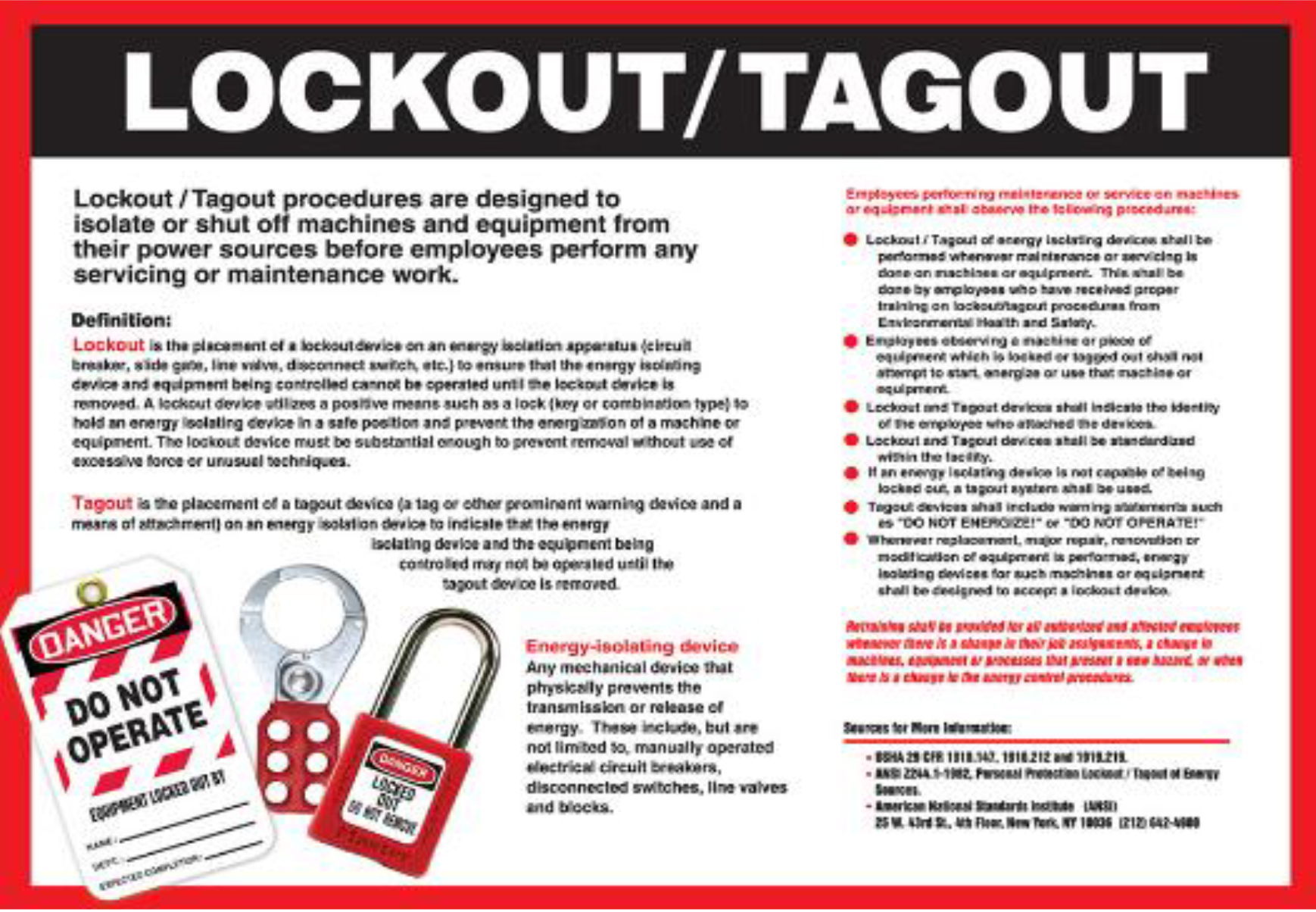
Lockout Tagout is a safety procedure that isolates hazardous energy sources from machinery during maintenance, repair, or servicing. The "lockout" part physically locks energy-isolating devices—like circuit breakers or valve handles—so they can’t be turned on. The "tagout" part uses warning tags to inform others that equipment is under control and should not be operated.
The core idea is simple: no energy, no motion, no risk.
But simplicity doesn’t mean ease. LOTO requires documentation, training, verification, and employee buy-in. It applies to all forms of energy: electrical, hydraulic, pneumatic, chemical, thermal, and even gravitational (think suspended loads).
For example, a conveyor belt powered by electricity and driven by tensioned rollers contains both electrical and mechanical energy. Simply flipping the stop button doesn’t remove the stored energy in the rollers or the capacitors. Only a full LOTO procedure neutralizes both.
Why OSHA Enforces LOTO So Strictly
The Occupational Safety and Health Administration (OSHA) has a dedicated standard for control of hazardous energy: 29 CFR 1910.147. This regulation exists because failure to control energy sources lands nearly 120 workers in fatal incidents annually, according to OSHA data.
Common violations include: - Using only tagout without physical lockout on equipment that can be locked - Incomplete energy source identification - Failure to verify zero energy state - Not training authorized vs. affected employees correctly
One notable case involved a worker cleaning a printing press. The machine was tagged out, but no lock was applied. Another employee reset the system, assuming it was idle. The press activated—resulting in severe arm injuries.
OSHA’s stance is clear: if a machine can be locked out, it must be. Tags alone are only acceptable when a lock isn’t feasible—and even then, additional protective measures are required.
Compliance isn’t about paperwork. It’s about proving you’ve eliminated risk, not just assumed it’s gone.
How LOTO Works: A Step-by-Step Breakdown
A successful LOTO procedure follows a strict sequence. Deviate from the order, and you lose protection.
Step 1: Prepare for Shutdown Authorized employees (those doing the work) must know the type and magnitude of energy involved. Gather correct locks, tags, and tools. Review the site’s energy control plan.
Step 2: Notify Affected Staff "Affected employees" (those who operate or use the machine) must be informed the equipment is going down for service.
Step 3: Shut Down the Machine Use the proper operational controls—buttons, switches, etc.—to stop the equipment.
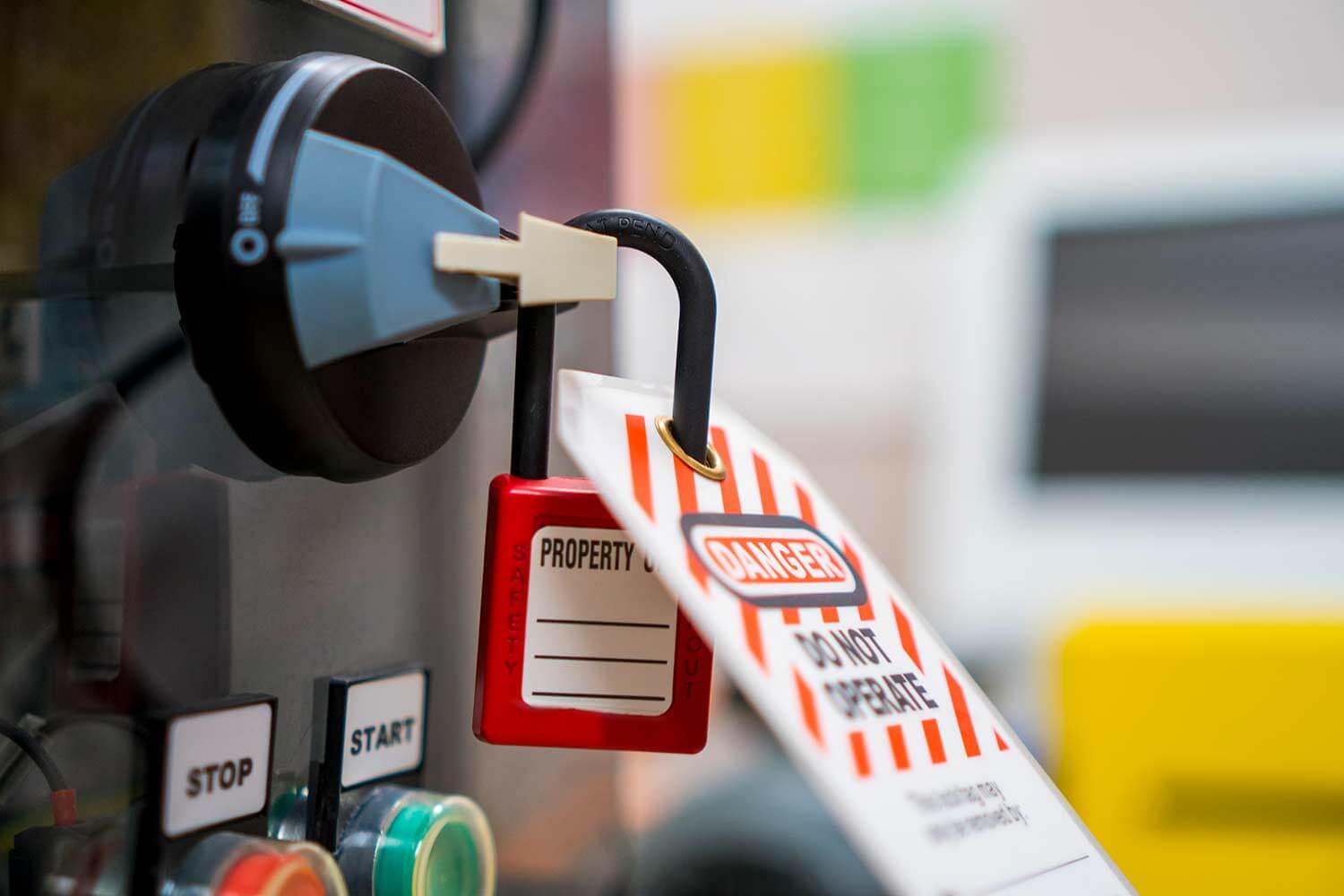
Step 4: Isolate Energy Sources Turn off breakers, close valves, block moving parts, disconnect hoses. Every energy source must be cut.
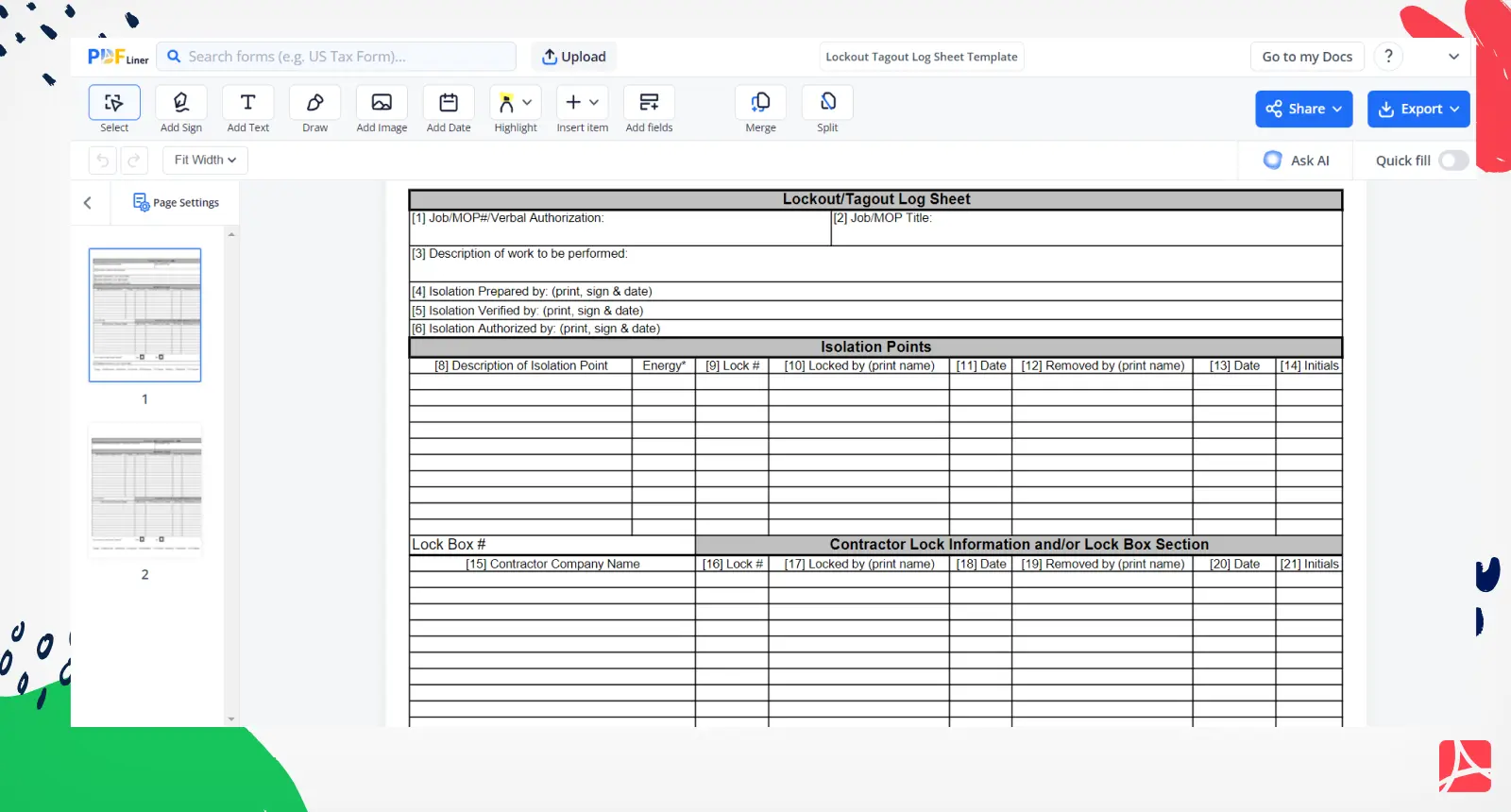
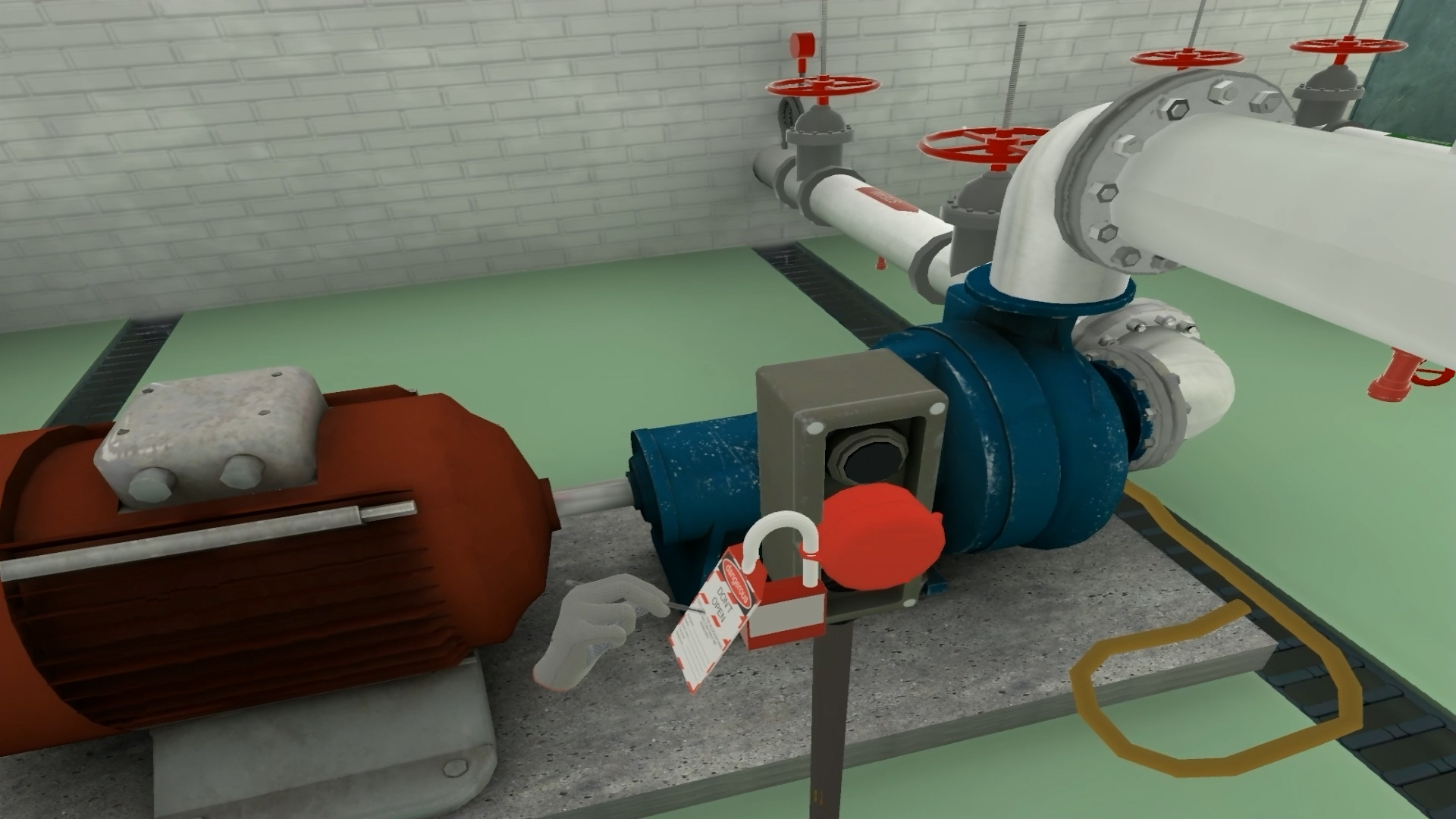
Step 5: Apply Locks and Tags Each authorized worker applies their own lock and tag. Never share locks. The tag must include the worker’s name, date, reason for lockout, and expected duration.
Step 6: Release Stored Energy Bleed pressure, drain fluids, discharge capacitors, lower suspended loads. This step is often overlooked—and often deadly.
Step 7: Verify Zero Energy State Attempt to restart the machine using normal controls. Do this without re-energizing it. If there’s any motion, return to Step 4. This is the most critical validation step.
Only after verification is maintenance work permitted.
When work is complete, the process reverses: clean tools, remove locks (by the same person who applied them), re-energize, and notify affected staff.
Common LOTO Mistakes That Risk Lives
Even experienced teams make dangerous errors. These are not hypothetical—they’re drawn from real incident reports.
Mistake 1: Group Lockout Without a Designated Leader When multiple workers service one machine, they each apply a lock, but often there’s no central coordinator. OSHA requires a "lockout coordinator" to oversee the process and ensure all locks are removed before restart.
Mistake 2: Using One Lock for Multiple Energy Sources A single lock on a main disconnect doesn’t cover auxiliary systems. A hydraulic line might still be pressurized even if the main power is off. Each source needs its own lock.
Mistake 3: Assuming “Off” Means “Safe” Emergency stops and control switches don’t disconnect power. They only interrupt control circuits. True lockout happens at the energy-isolating device.
Mistake 4: Skipping Stored Energy Release A worker once opened a valve on a pressurized system to "check the seal." The residual pressure blew debris into their face. Stored energy must be actively dissipated, not assumed gone.
Mistake 5: Removing Someone Else’s Lock Only the person who applied a lock can remove it—unless an emergency procedure is followed with strict verification. Doing otherwise is a direct violation.
Fixing these isn’t about stricter rules. It’s about better training, clearer procedures, and accountability.
Real-World LOTO Applications Across Industries
LOTO isn’t just for factories. It’s critical wherever energy poses a hazard.
Manufacturing A CNC machine requires lockout before changing cutting tools. Locks go on the main power disconnect, hydraulic pump, and air supply. Tags list each technician involved.
Healthcare MRI machines have powerful magnetic fields and cryogenic systems. LOTO includes quenching the magnet and locking out cooling systems before any internal access.
Commercial Facilities HVAC technicians servicing rooftop units must lock out electrical feeds and gas lines. One technician in Texas was burned when a colleague re-energized a unit during cleaning.
Utilities Linemen use LOTO when working on transformers. This includes grounding lines after isolation to dissipate residual charge.
Warehousing Conveyor systems often have multiple isolation points. A full line lockout may require 10+ locks if several zones are under maintenance.
Each scenario demands a site-specific LOTO procedure. Blanket policies fail because energy sources aren’t uniform.
Essential LOTO Equipment and Tools
Your LOTO program is only as strong as the tools backing it. Standard components include:

- Lockout Hasps: Allow multiple locks on a single isolation point (e.g., circuit breaker).
- Valve Lockouts: Fit over valve handles to prevent turning.
- Circuit Breaker Locks: Clamp over breakers in electrical panels.
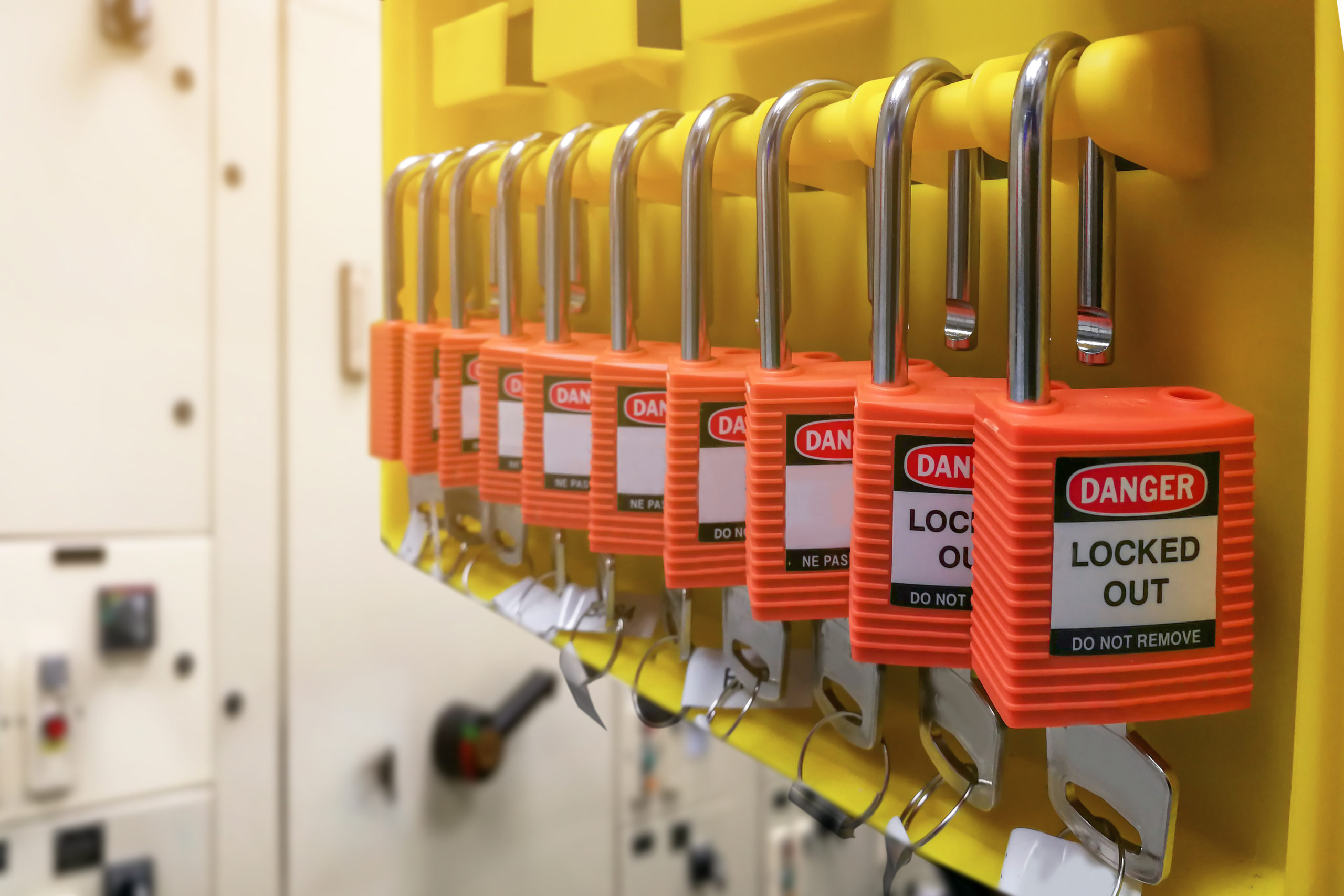
- Padlocks: Dedicated safety locks—usually bright red or orange—keyed to individual workers.
- Tagout Tags: Durable, tamper-resistant labels with space for employee info and hazard warnings.
- Group Lockout Boards: Central stations where multiple workers place their locks during complex maintenance.
One often-overlooked tool: lockout kits. These portable containers include locks, tags, hasps, and instructions. They’re essential for mobile technicians.
Never use personal locks from home toolkits. Safety locks are designed to resist tampering and environmental damage.
Building a Compliant LOTO Program
A strong LOTO program isn’t built overnight. It requires:
- Written Procedures: One for each machine or energy system. Must include shutdown steps, energy sources, and verification methods.
- Employee Training: Two types:
- Authorized employees: Trained to perform LOTO.
- Affected employees: Know what LOTO is and why they must never interfere.
- Periodic Inspections: Annual audits of procedures and employee performance. Must be documented.
- Program Updates: When equipment changes, so must the LOTO procedure.
A paper-based program works, but digital systems improve compliance. Some sites use QR codes on machines that pull up LOTO instructions on tablets. Others use smart lock systems that log who applied a lock and when.
The goal isn’t just compliance—it’s creating a culture where safety isn’t bypassed for speed.
When LOTO Fails: Learning From Real Incidents
In 2019, a worker at a food processing plant was clearing a jam in a mixer. He turned it off and started working—no lock, no tag. A coworker saw the machine idle and restarted it. The rotating blades caused fatal injuries.
The root cause? No formal LOTO program existed. Workers assumed “off” meant “safe.”
Another case: a maintenance team locked out a boiler but didn’t bleed the steam lines. When a valve was opened, scalding steam erupted, injuring two technicians.
These aren’t edge cases. They reflect systemic gaps: lack of training, poor procedures, and normalization of risk.
The fix isn’t just more rules. It’s leadership that enforces discipline, rewards compliance, and investigates every near-miss.
Making LOTO Stick: Practical Tips for Long-Term Success
Even strong programs erode over time. Keep LOTO effective with these practices:
- Conduct Surprise Audits: Randomly check if locks are being used correctly during maintenance.
- Empower Workers to Stop Work: If a LOTO step is missing, anyone should be able to halt the job.
- Use Visual Aids: Post LOTO flowcharts near high-risk machines.
- Review After Incidents: Even near-misses should trigger a procedure review.
- Rotate Training Annually: Refresh knowledge and correct creeping complacency.
- Involve Frontline Teams in Procedure Design: Those doing the work often spot flaws in written steps.
One plant reduced LOTO violations by 75% simply by requiring team huddles before every maintenance task to review the lockout steps.
Compliance follows culture. Culture follows consistent action.
Take Action Today: Secure Your Workforce with Real LOTO Discipline
Lockout Tagout isn’t a box to check. It’s a lifeline. The difference between a routine repair and a catastrophe often comes down to one lock, one tag, one verification step.
Don’t wait for an incident to expose gaps. Audit your procedures. Train your teams. Equip your technicians. And never let urgency override safety.
Start now: Pick one high-risk machine. Review its LOTO procedure. Test it. Fix what’s broken. Then move to the next.
Because when energy is uncontrolled, everything is at risk.
FAQ
What should you look for in Lockout Tagout LOTO: The Ultimate Safety Guide for Energy Control? Focus on relevance, practical value, and how well the solution matches real user intent.
Is Lockout Tagout LOTO: The Ultimate Safety Guide for Energy Control suitable for beginners? That depends on the workflow, but a clear step-by-step approach usually makes it easier to start.
How do you compare options around Lockout Tagout LOTO: The Ultimate Safety Guide for Energy Control? Compare features, trust signals, limitations, pricing, and ease of implementation.
What mistakes should you avoid? Avoid generic choices, weak validation, and decisions based only on marketing claims.
What is the next best step? Shortlist the most relevant options, validate them quickly, and refine from real-world results.