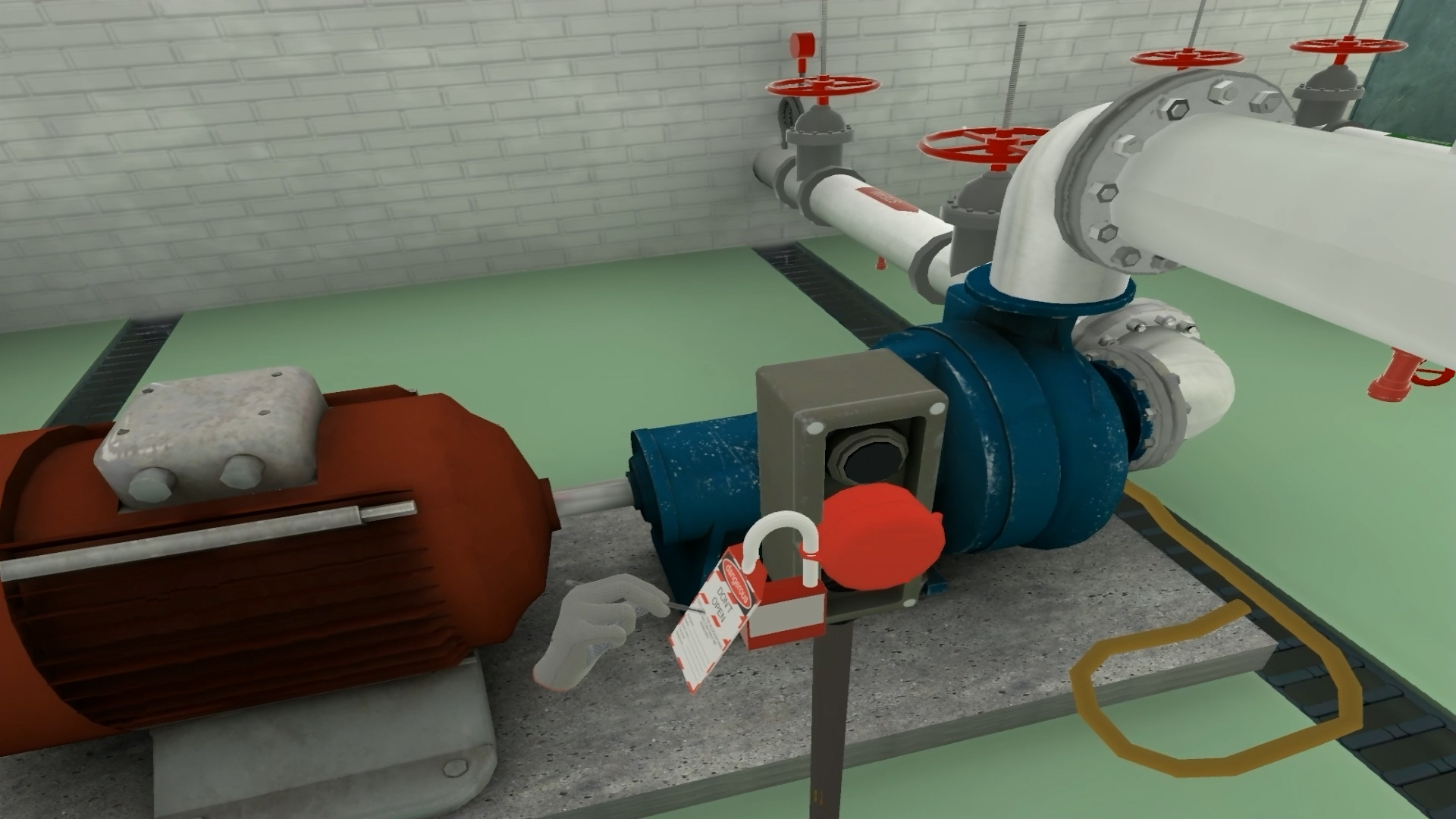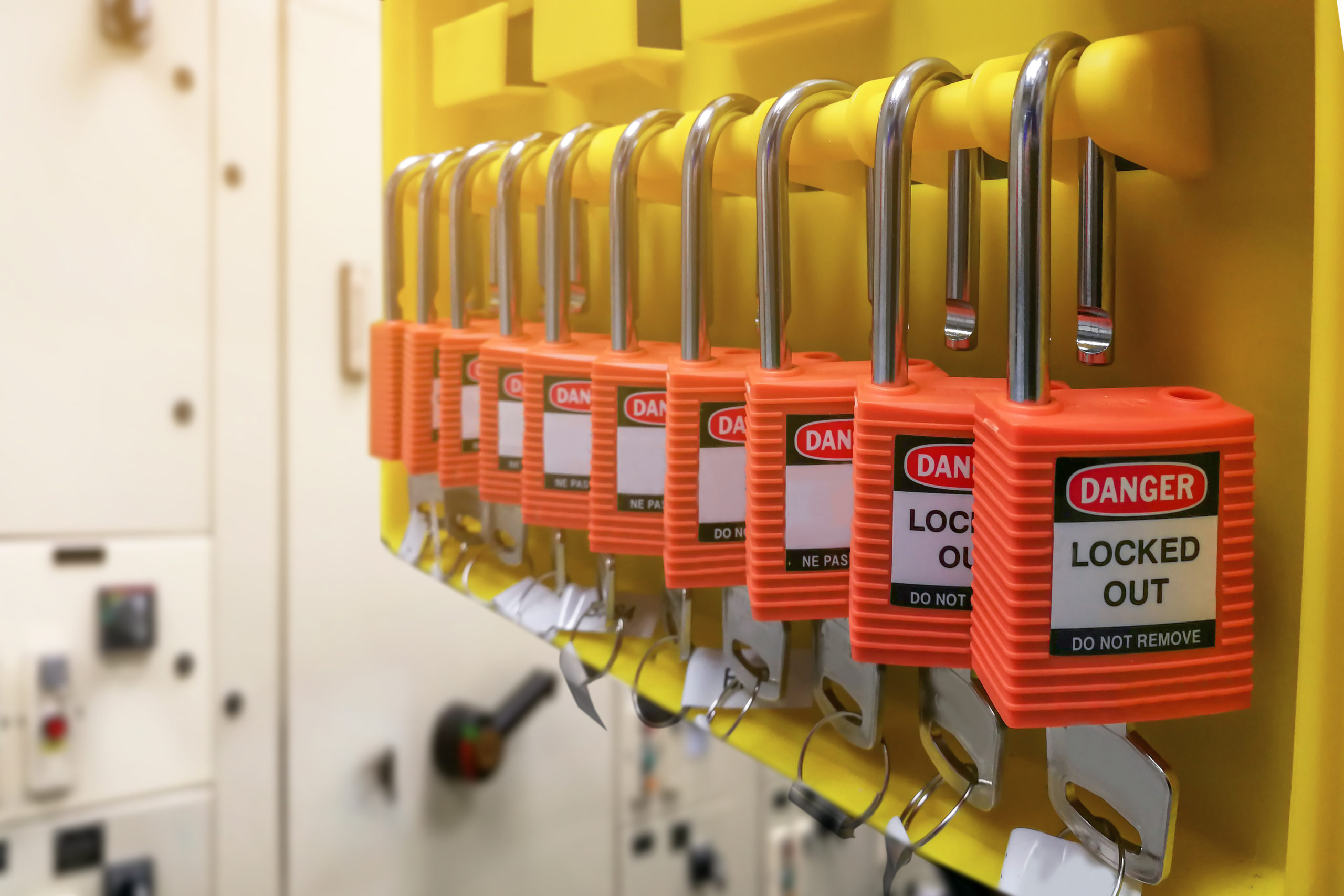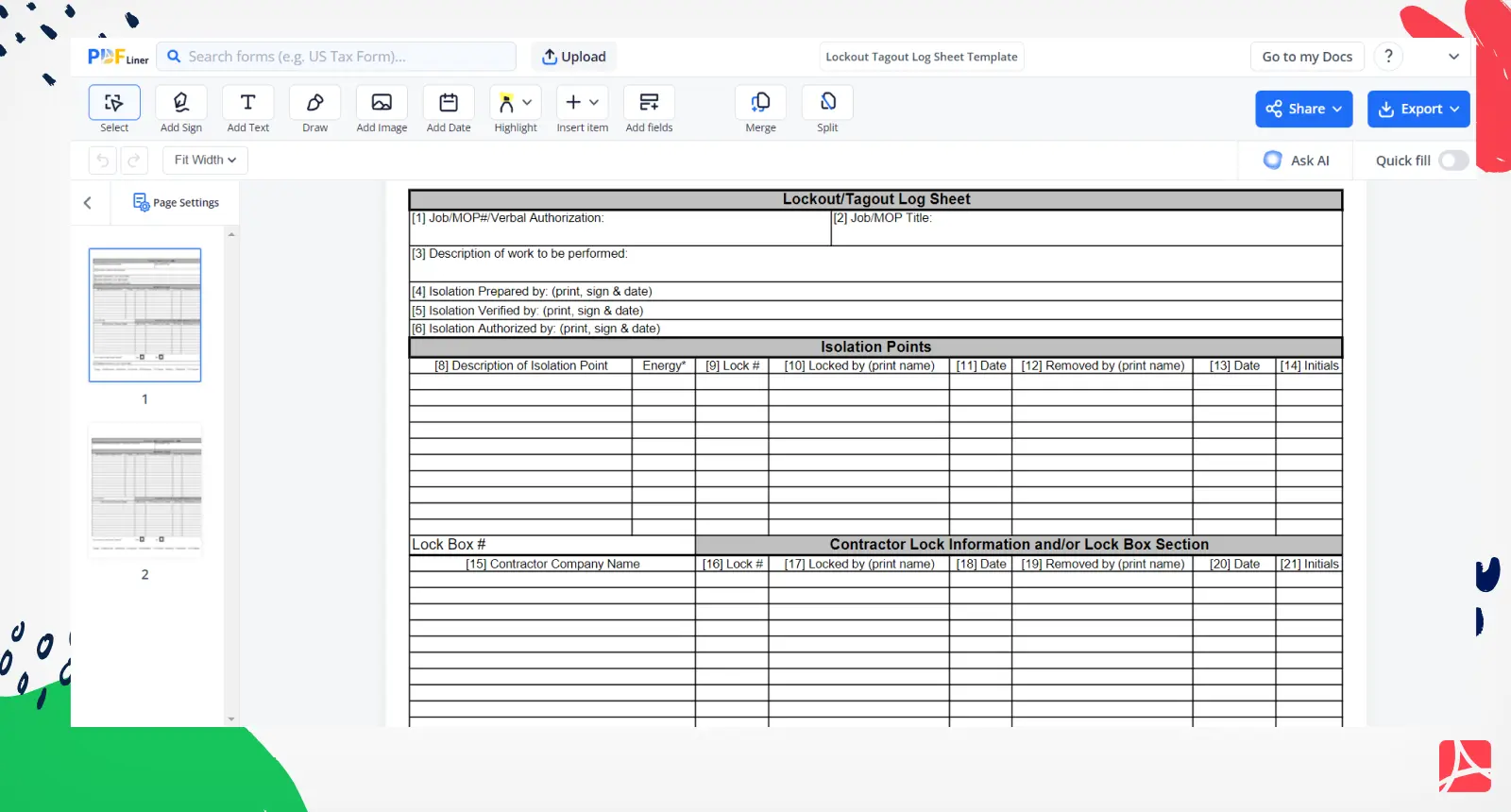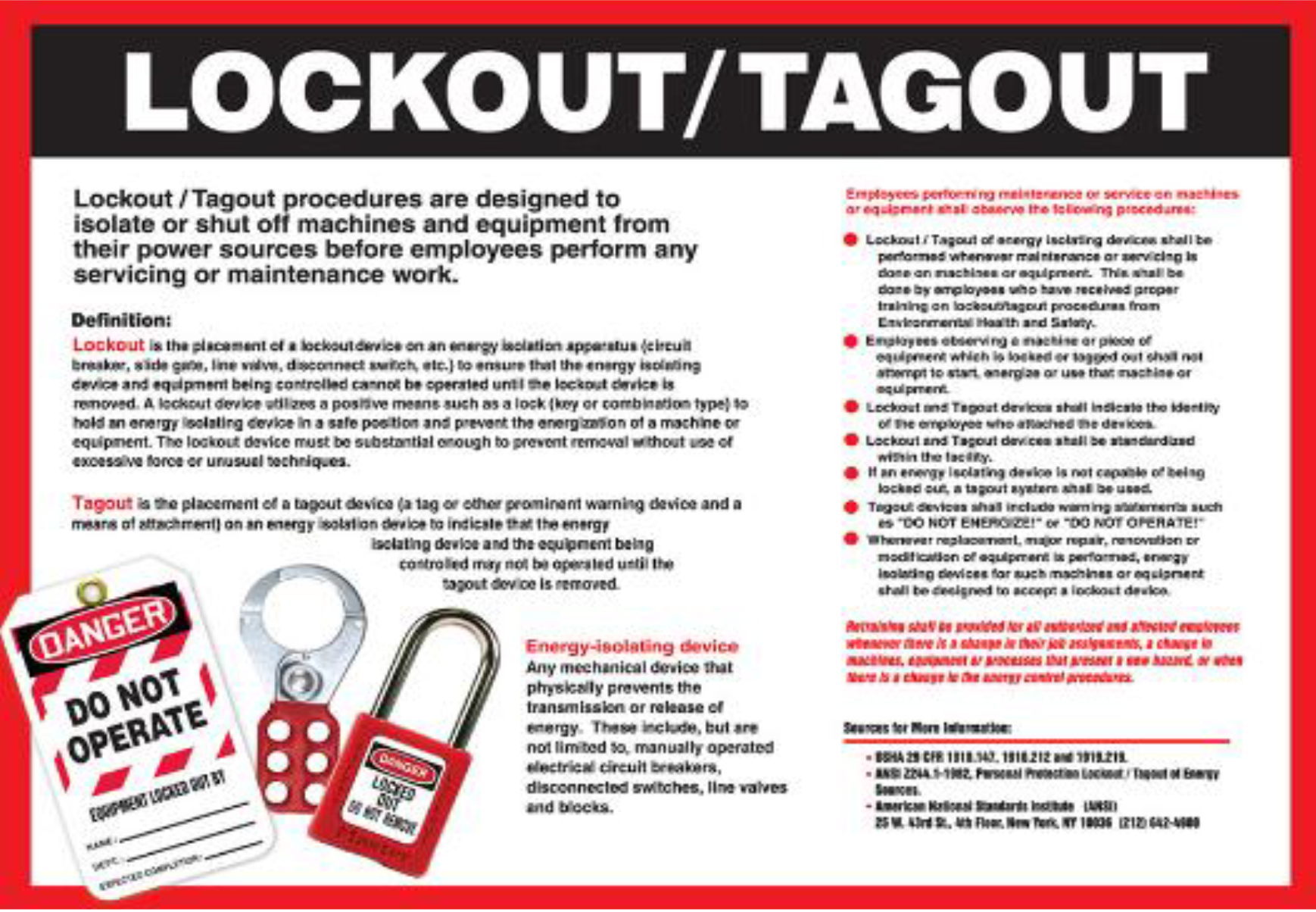
A worker reaches into a jammed conveyor belt without de-energizing the system. Seconds later, a coworker restarts the machine remotely. The outcome is preventable—but all too common. Across industries, failure to properly isolate hazardous energy results in 120 deaths and nearly 50,000 injuries annually in the U.S. alone. At the heart of every effective prevention strategy is a well-documented lockout tagout policy PDF—a living document that doesn’t just sit in a binder but actively shapes daily safety practices.
If you’re searching for a lockout tagout policy PDF, you’re likely either building a new safety program or updating an outdated one. Either way, this guide delivers a ready-to-use template, explains critical compliance components, and highlights real-world implementation pitfalls that render many policies ineffective—even when the document looks perfect on paper.
What a Lockout Tagout Policy PDF Should Include
A lockout tagout policy isn’t just a formality. It’s a legally defensible framework that aligns with OSHA 29 CFR 1910.147 and protects both employees and employers. A strong policy PDF should cover:
- Purpose and scope – Clearly states why the policy exists and which equipment and personnel it covers.
- Definitions – Explains terms like “authorized employee,” “energy isolating device,” and “group lockout.”
- Roles and responsibilities – Distinguishes between authorized employees (who perform LOTO) and affected employees (who operate or use equipment).
- Procedures – Step-by-step instructions for shutting down, isolating, locking, tagging, verifying de-energization, and restarting equipment.
- Periodic inspections – Mandates at least annual audits of LOTO procedures, conducted by someone not involved in the process.
- Training requirements – Specifies initial and retraining schedules, documentation methods, and competency evaluation.
- Exceptions and special cases – Addresses scenarios like shift changes, contractor work, and temporary equipment maintenance.
Without these components, a policy is incomplete—and likely noncompliant.
A common mistake? Using a generic PDF downloaded from an unknown source that lacks facility-specific details. For example, a policy that lists “electrical panel” as an isolating device without specifying its exact location, type, or lock requirements offers little real-world value.
Why Organizations Need a Customized LOTO Policy PDF
While dozens of free lockout tagout policy PDFs circulate online, most fail when applied in real facilities. Why? Because they’re not customized.
Imagine a food processing plant using a boiler maintenance procedure copied from a manufacturing template. The boiler requires isolation of steam, water, and gas lines—not just electrical power. A generic policy may omit multi-energy source protocols, creating a dangerous knowledge gap.
- A practical approach:
- Audit all machines with hazardous energy (electrical, hydraulic, pneumatic, thermal, gravitational).
- Map isolation points for each energy source.
- Develop machine-specific LOTO procedures.
- Embed these into a facility-wide policy document.
Your lockout tagout policy PDF should reflect your actual equipment, workflows, and workforce structure. Use public templates as a starting point—not the final version.
How to Use a LOTO Policy PDF to Train Employees
A policy gathering dust on a shared drive won’t reduce risk. Its value lies in training and daily use.
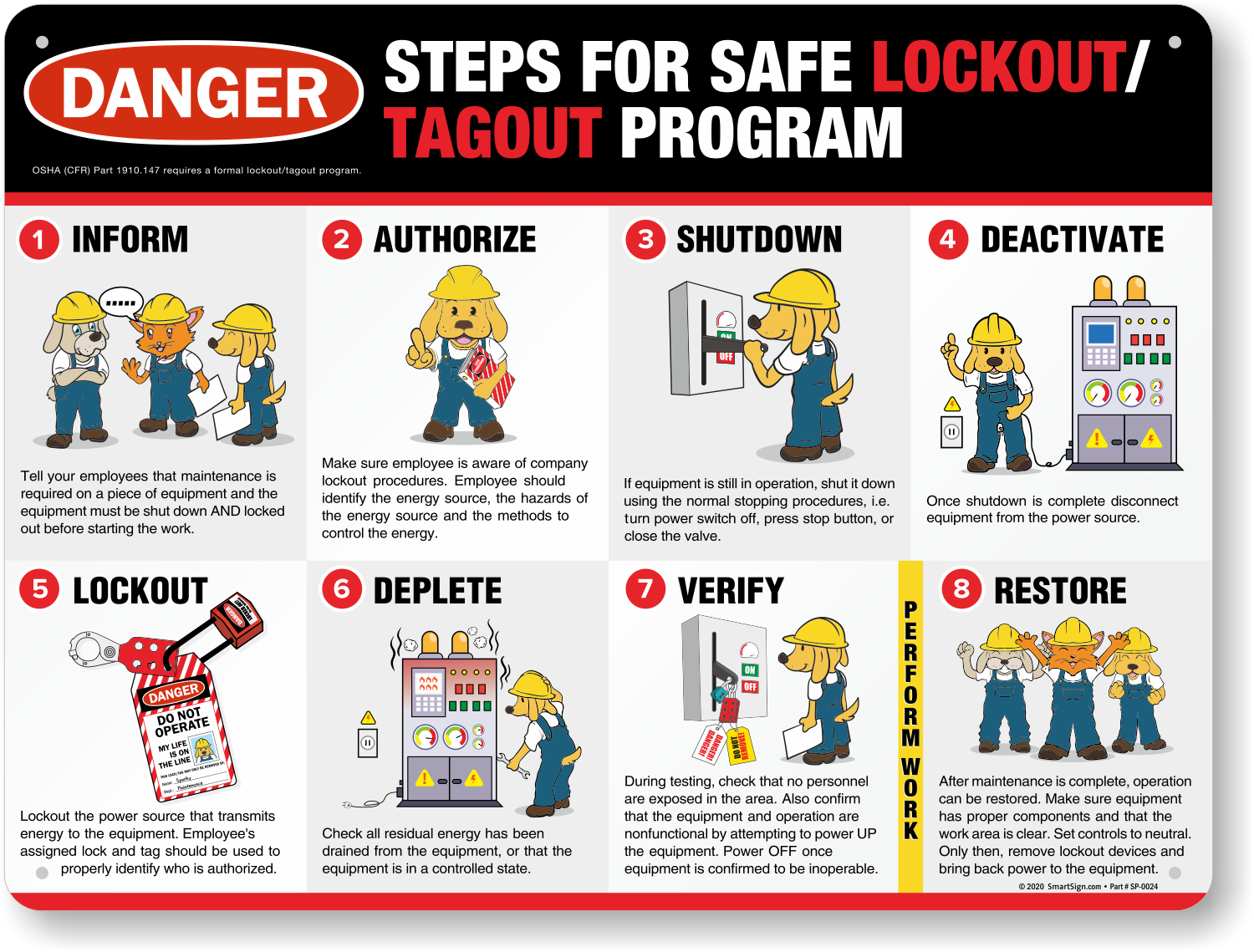
Effective LOTO training includes: - Classroom instruction – Covering policy content, OSHA standards, and employee roles. - Hands-on practice – Using actual locks, tags, and equipment in simulated shutdowns. - Documentation – Recording attendance, competency assessments, and refresher training dates.
One mid-sized automotive parts supplier reduced LOTO-related near-misses by 70% in six months simply by switching from PDF-only training to live demonstrations followed by documented skill checks.
Tip: Print key pages of your policy PDF and post them near high-risk machinery. Include QR codes linking to machine-specific LOTO checklists stored on your intranet.
Common Mistakes That Undermine LOTO Policy Effectiveness
Even organizations with polished policy PDFs fail due to critical oversights:
| Mistake | Consequence | Fix |
|---|---|---|
| Using tags without locks | Tags can be ignored; locks physically prevent startup | Enforce lock-first culture |
| Skipping periodic inspections | Procedures drift from actual practice | Schedule annual audits with third-party reviewers |
| Inadequate lock storage | Lost or shared locks lead to shortcuts | Provide individual lock stations with keyed-alike or master systems |
| Poor tag quality | Faded or damaged tags reduce visibility | Use weather-resistant, multilingual tags with clear warnings |
| No group lockout process | Complex maintenance involves multiple workers | Define group leader, use hasp devices, and ensure consensus before re-energizing |
One refinery learned this the hard way when an electrician bypassed LOTO during a weekend repair. The policy existed in PDF, but no one had reviewed it in three years. The result: a severe arc flash injury and a $180,000 OSHA penalty.
Your policy PDF must be part of an active safety culture—not a compliance checkbox.
Free Lockout Tagout Policy PDF Template (Downloadable Structure)
Below is a structured outline you can use to create or evaluate your own policy PDF. Copy this into a document and customize it for your facility.
Lockout Tagout Policy Effective Date: [Insert Date] Reviewed: [Annual Review Date]
1. Purpose To control hazardous energy during servicing and maintenance, preventing injury and ensuring regulatory compliance.
2. Scope Applies to all machines and equipment at [Facility Name] requiring maintenance where unexpected energization could cause harm.
3. Definitions - Authorized Employee: Trained personnel who implement LOTO procedures. - Affected Employee: Operators who use equipment but do not perform maintenance. - Energy Isolating Device: A mechanical device that physically prevents transmission of energy (e.g., circuit breaker, disconnect switch).
4. Roles - Authorized Employees: Apply locks and tags, verify zero energy. - Affected Employees: Recognize LOTO in use; do not operate locked equipment. - Supervisors: Ensure training, approve exceptions, conduct audits.
- 5. LOTO Procedure (General)
- Notify affected employees.
- Shut down equipment using normal controls.
- Isolate all energy sources.
- Apply lockout device(s) and tag with name, date, reason.
- Release stored energy (e.g., bleed lines, discharge capacitors).
- Verify isolation (attempt to start, then return to neutral).
- Perform maintenance.
- Remove tools, clear area.
- Notify employees before re-energizing.
- Remove locks only by the person who applied them.
6. Group Lockout For multi-person tasks: - Designate a primary authorized employee. - Use a group lockout box. - Each worker applies their personal lock. - Restart only when all locks are removed.
7. Training - Initial training within 30 days of role assignment. - Retraining every 12 months or after procedure changes. - Records maintained in HR file.
8. Inspections Annual review of each written procedure by supervisor and authorized employee not involved in the process.
9. Enforcement Failure to follow LOTO may result in disciplinary action, up to termination.
Where to Find Reliable Lockout Tagout Policy PDFs
While you should customize your policy, reputable sources offer strong starting points.
- Recommended Sources:
- OSHA.gov – Official guidelines and sample programs (non-branded, highly accurate).
- National Safety Council (NSC) – Industry-specific templates with best practices.
- EHS Daily Advisor – Free downloadable LOTO policy samples with editable formats.
- SafetyCulture (iAuditor) – Digital templates exportable to PDF with visual checklists.
- University EHS Departments – Many post publicly available LOTO policies (e.g., MIT, University of Michigan).
Avoid random blog sites or PDF repositories without authorship or update dates. A 10-year-old template may reference outdated OSHA interpretations or missing standards.
Turning Your Policy PDF into Action
A lockout tagout policy PDF isn’t the end goal—it’s the foundation.
Start by: - Converting the document into a living training tool. - Conducting a mock LOTO drill with your maintenance team. - Auditing three high-risk machines using the written procedure. - Revising the policy based on gaps found during the audit.
One packaging plant revised its policy after discovering that operators were using one lock for multiple energy sources. The updated PDF now includes a flowchart: “One energy source = one lock. More than one? Use multiple locks and verify each.”
That simple change reduced improper isolations by 95% within a quarter.
Final Thoughts: Your LOTO Policy Is a Safety Lifeline
Searching for a lockout tagout policy PDF is the first step. But real protection comes from customization, training, and consistent enforcement. The best policy isn’t the most polished—it’s the one that’s understood, used, and reviewed.
Download a template if you must, but don’t stop there. Tailor it. Teach it. Audit it. Let it evolve with your operations.
Because when a machine starts unexpectedly, no one checks the PDF. They rely on the habits the policy created.
FAQ
Where can I download a free lockout tagout policy PDF? Reputable sources include OSHA.gov, the National Safety Council, and university environmental health and safety websites. Always customize the template for your facility.
Is a lockout tagout policy legally required? Yes. OSHA 29 CFR 1910.147 mandates a written energy control program, including procedures, training, and periodic inspections.
Who needs to be trained on the LOTO policy? Both authorized employees (who perform maintenance) and affected employees (who operate equipment) require training, but the depth differs.
How often should the LOTO policy PDF be updated? Review annually during procedure audits. Update immediately after incidents, equipment changes, or process modifications.
Can digital LOTO procedures replace a PDF? Yes, if they’re accessible, secure, and include the same required elements. Many companies use apps with electronic signatures and QR-linked procedures.
What’s the difference between lockout and tagout? Lockout uses a physical lock to prevent energizing. Tagout uses a warning tag. OSHA allows tagout only if it provides equivalent protection—locks are preferred.
Do I need a separate LOTO procedure for each machine? Yes. Each machine with hazardous energy requires a documented, specific procedure, even if the general steps are similar.
FAQ
What should you look for in Lockout Tagout Policy PDF: Free Template and Compliance Guide? Focus on relevance, practical value, and how well the solution matches real user intent.
Is Lockout Tagout Policy PDF: Free Template and Compliance Guide suitable for beginners? That depends on the workflow, but a clear step-by-step approach usually makes it easier to start.
How do you compare options around Lockout Tagout Policy PDF: Free Template and Compliance Guide? Compare features, trust signals, limitations, pricing, and ease of implementation.
What mistakes should you avoid? Avoid generic choices, weak validation, and decisions based only on marketing claims.
What is the next best step? Shortlist the most relevant options, validate them quickly, and refine from real-world results.