Every year, hundreds of workers suffer severe injuries—or worse—because machinery was accidentally energized during maintenance. The root cause? A missing, incomplete, or poorly implemented lockout tagout (LOTO) program. A strong lockout tagout program sample isn’t just a document to file away—it’s a living, operational guide that prevents accidents, protects employees, and aligns with OSHA 1910.147 requirements.
If your organization handles equipment that stores or uses hazardous energy—electrical, mechanical, hydraulic, chemical, or thermal—then you need more than just locks and tags. You need a structured, enforceable LOTO program. This article provides a detailed, ready-to-adapt lockout tagout program sample with real-world examples, common pitfalls, and implementation guidance.
Why a Lockout Tagout Program Sample Matters
A LOTO program isn’t a one-size-fits-all formality. It's a tailored system that outlines how your specific workplace isolates energy sources during servicing. Without a sample or reference model, companies often create vague or incomplete procedures—leading to inconsistent enforcement.
Consider this: A maintenance technician at a packaging facility begins repairing a conveyor belt. The supervisor believes the machine is shut down, but an automated cycle restarts it. The result: a crushed hand and a six-figure OSHA penalty. This scenario could have been prevented with a clear, documented LOTO program.
A solid lockout tagout program sample sets the foundation by: - Defining roles and responsibilities - Outlining machine-specific procedures - Including training requirements - Detailing audit and compliance checks
It transforms abstract safety concepts into actionable steps.
Core Elements of a Lockout Tagout Program
An effective LOTO program must include several mandatory components as defined by OSHA. Below is a breakdown of what your program sample should include—with practical context.
1. Scope and Purpose Statement
Start with a clear declaration of what the program covers and why it exists.
Example: "This Lockout/Tagout Program applies to all machines and equipment at [Company Name] that require servicing or maintenance where the unexpected energization, startup, or release of stored energy could cause injury. The purpose is to protect employees by ensuring zero energy state during maintenance activities."
This isn’t boilerplate—it signals intent and applicability to auditors and staff.
2. Roles and Responsibilities
Define who does what. Ambiguity kills compliance.
| Role | Responsibility |
|---|---|
| Authorized Employee | Implements LOTO procedures, applies locks/tags |
| Affected Employee | Operates or uses equipment but does not perform maintenance |
| Supervisor | Ensures compliance, provides equipment, schedules training |
| Safety Officer | Audits procedures, investigates incidents |
Real-World Insight: In a Midwestern auto parts plant, a tag was left on a press by an authorized employee who had gone home. The next shift removed it, assuming it was forgotten. Clarifying "lock removal only by installer" in the roles section could have prevented near-miss escalation.
3. Energy Control Procedures

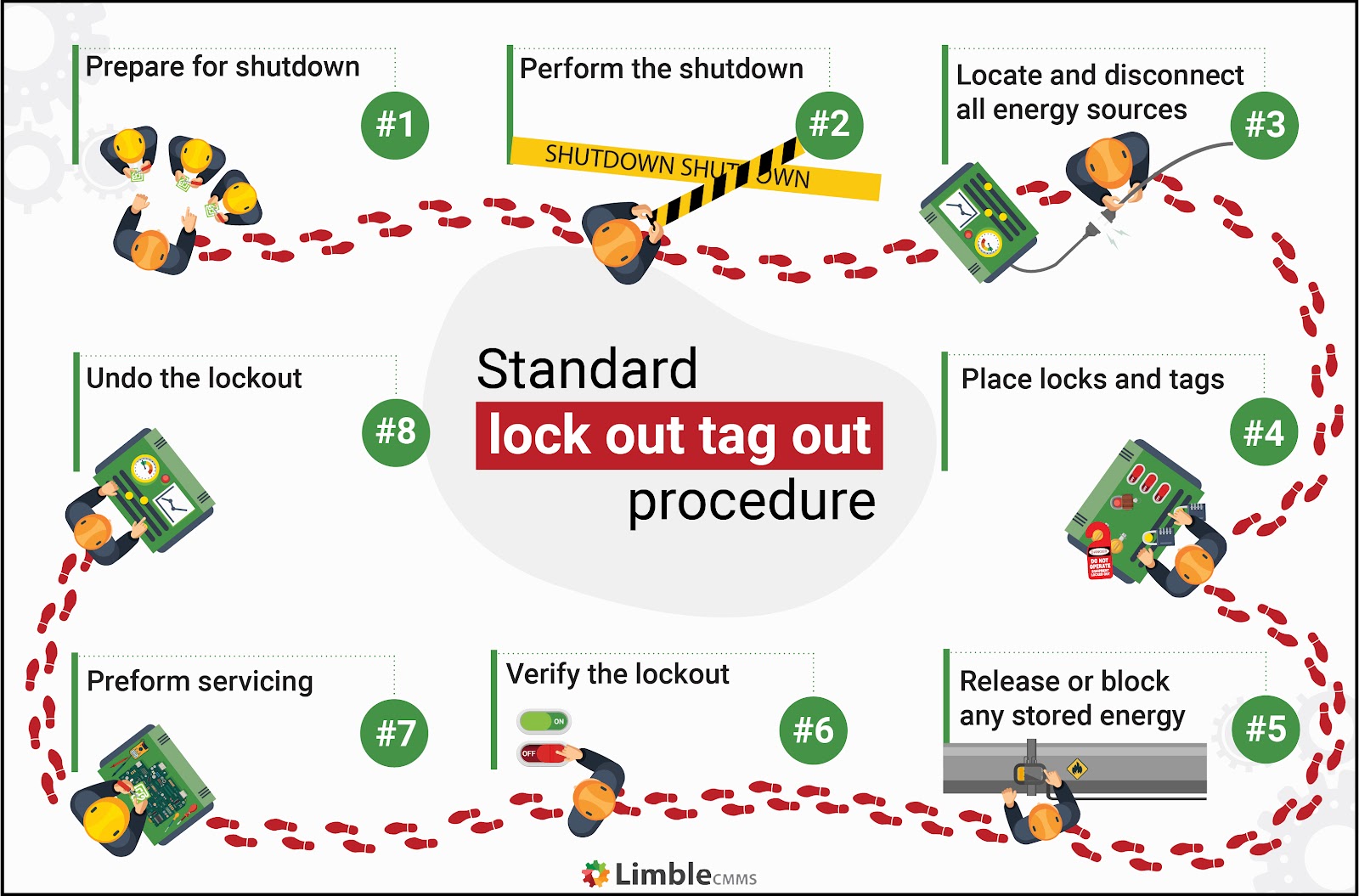
This is the heart of your program. Each piece of equipment must have a written procedure detailing the steps to shut down, isolate, lock out, and verify de-energization.
Sample Procedure for a Hydraulic Press:
- Notify all affected employees that maintenance is beginning.
- Shut down the press using the emergency stop button.
- Isolate energy by closing the hydraulic valve and turning off the main electrical disconnect.
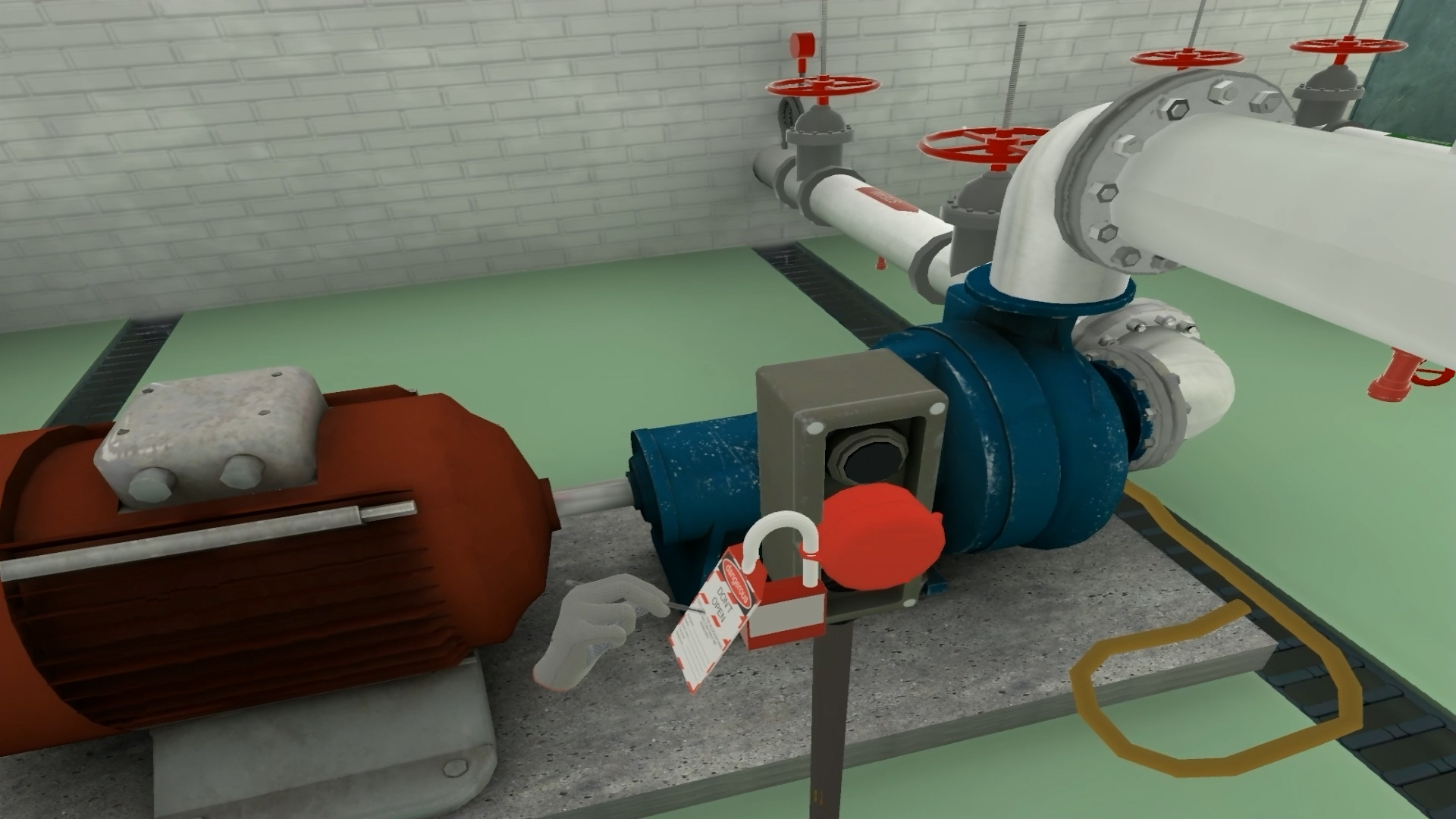
- Apply personal lockout device to the electrical disconnect.
- Release stored hydraulic pressure via manual bleed valve.
- Attempt to restart the machine to verify zero energy state.
- Begin maintenance.
- Upon completion, remove tools, re-energize only after verifying work area is clear.
Common Mistake: Skipping the "attempt to restart" step. This verification is non-negotiable. Stored energy can linger even after shutdown.
4. Lockout Devices and Tags
Your program must specify what devices are acceptable and how they’re managed.
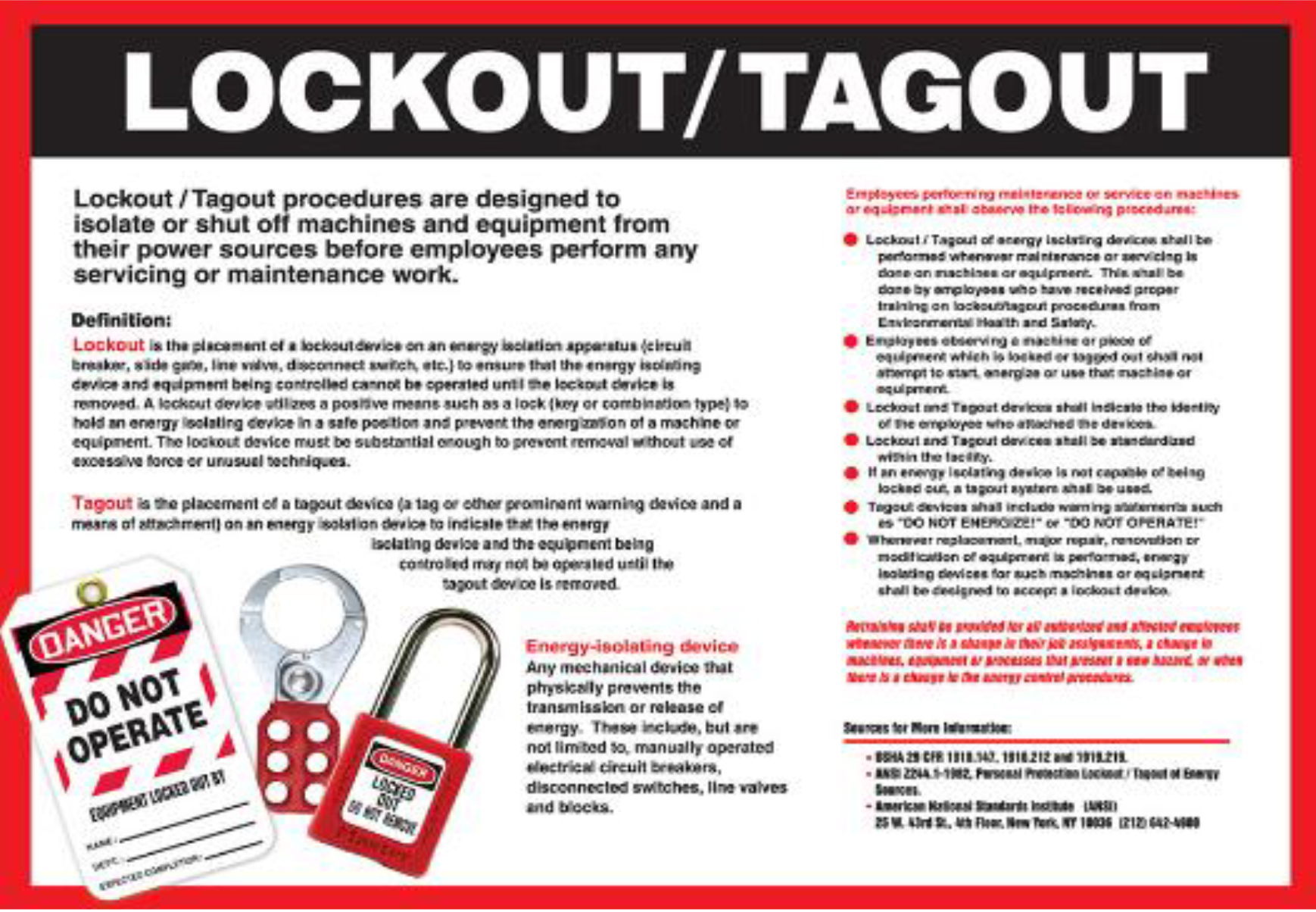
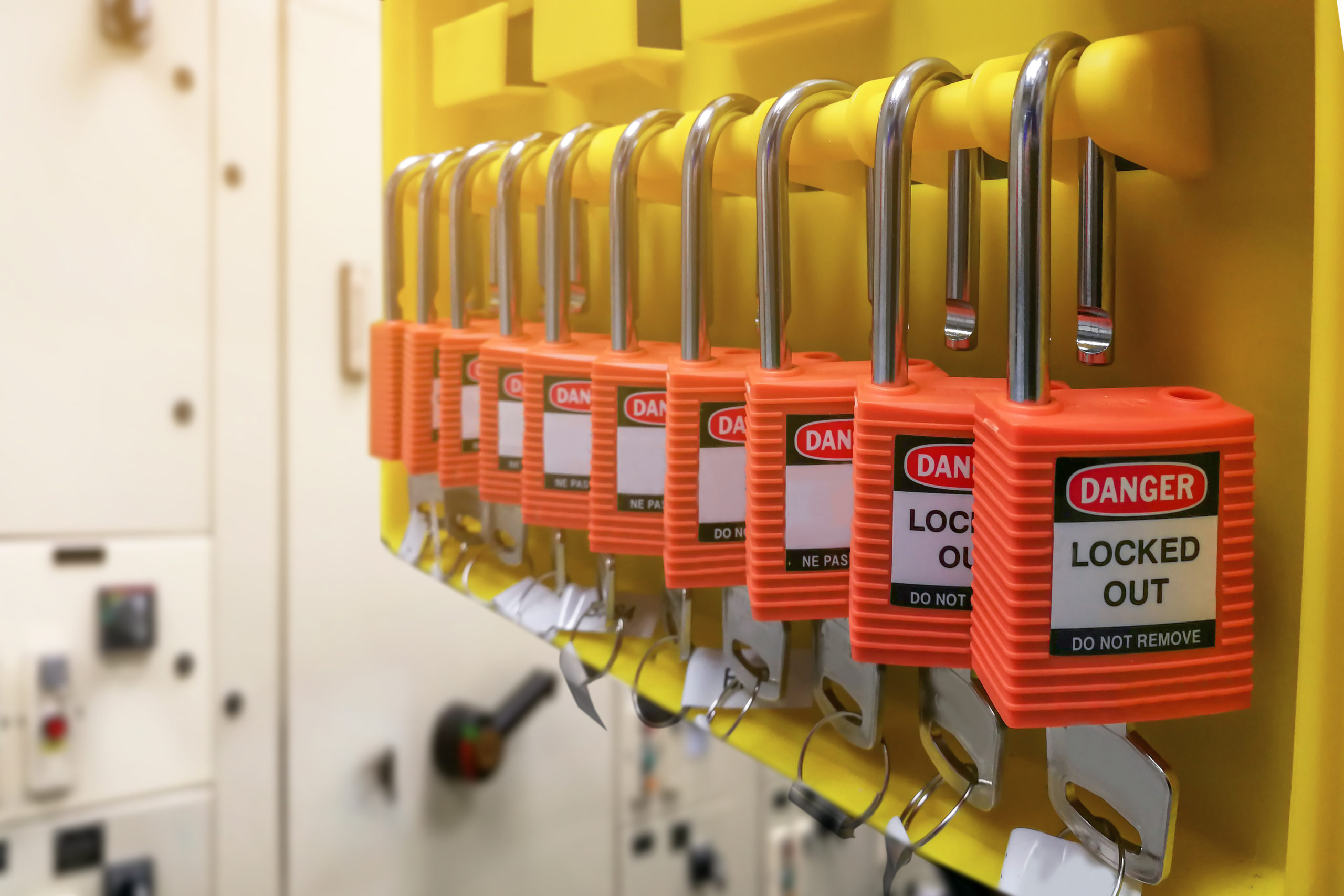
- Locks must be durable, standardized, and identifiable (e.g., red with employee name)
- Tags must include: Employee name, date, reason for lockout
- No duplicate keys—master keys only for emergencies with strict logs
Tip: Use combination locks where possible to avoid key management issues, but ensure combinations are not shared.
5. Training and Retraining
OSHA requires initial and annual retraining. Your program sample should specify:
- Training frequency (annual minimum)
- Content: Roles, procedures, device use, inspections
- Records kept for at least 3 years
Use Case: After a near-miss at a food processing plant, retraining focused on group lockout scenarios—where multiple technicians work on one machine. The drill reduced confusion in subsequent audits.
6. Periodic Inspections
At least annually, a supervisor must inspect each energy control procedure.
The inspection must: - Verify adherence to written procedures - Identify deficiencies - Include a certified observer and at least one authorized employee
Checklist for Inspectors: - Are all energy sources identified? - Is the isolation method correct? - Was the machine tested for zero energy? - Were locks removed only by the installer?
Document findings and correct issues within 30 days.
Common Gaps in Lockout Tagout Programs
Even seasoned safety managers overlook key details. Here are recurring flaws found in real LOTO program samples:
- Generic procedures: Using a template without tailoring to specific machines.
- Missing energy types: Forgetting pneumatic or gravity-based risks.
- No group lockout rules: Failing to define roles when multiple people work on equipment.
- Inadequate training records: Poor documentation leads to OSHA violations.
- Tag reliance over lock: Tags alone are not sufficient—they are warnings, not restraints.
Example: A chemical plant used tags on valve handles but didn’t physically lock them. A night-shift worker turned the valve, releasing toxic fumes. The fix? Install lockable valve caps and update the program.
Group Lockout: When Multiple Workers Are Involved
When three technicians work on a boiler, whose lock protects everyone? That’s where group lockout procedures come in.
Your program sample must include: - A primary authorized employee who coordinates the lockout - Individual locks applied by each worker - A group lockbox where personal locks are placed - The primary employee holds the only key to the lockbox
Workflow Tip: At a steel mill, each technician places their lock on the group lockbox. Only when the last person removes their lock can the primary employee re-energize the system. This ensures no one is left inside a confined space during startup.
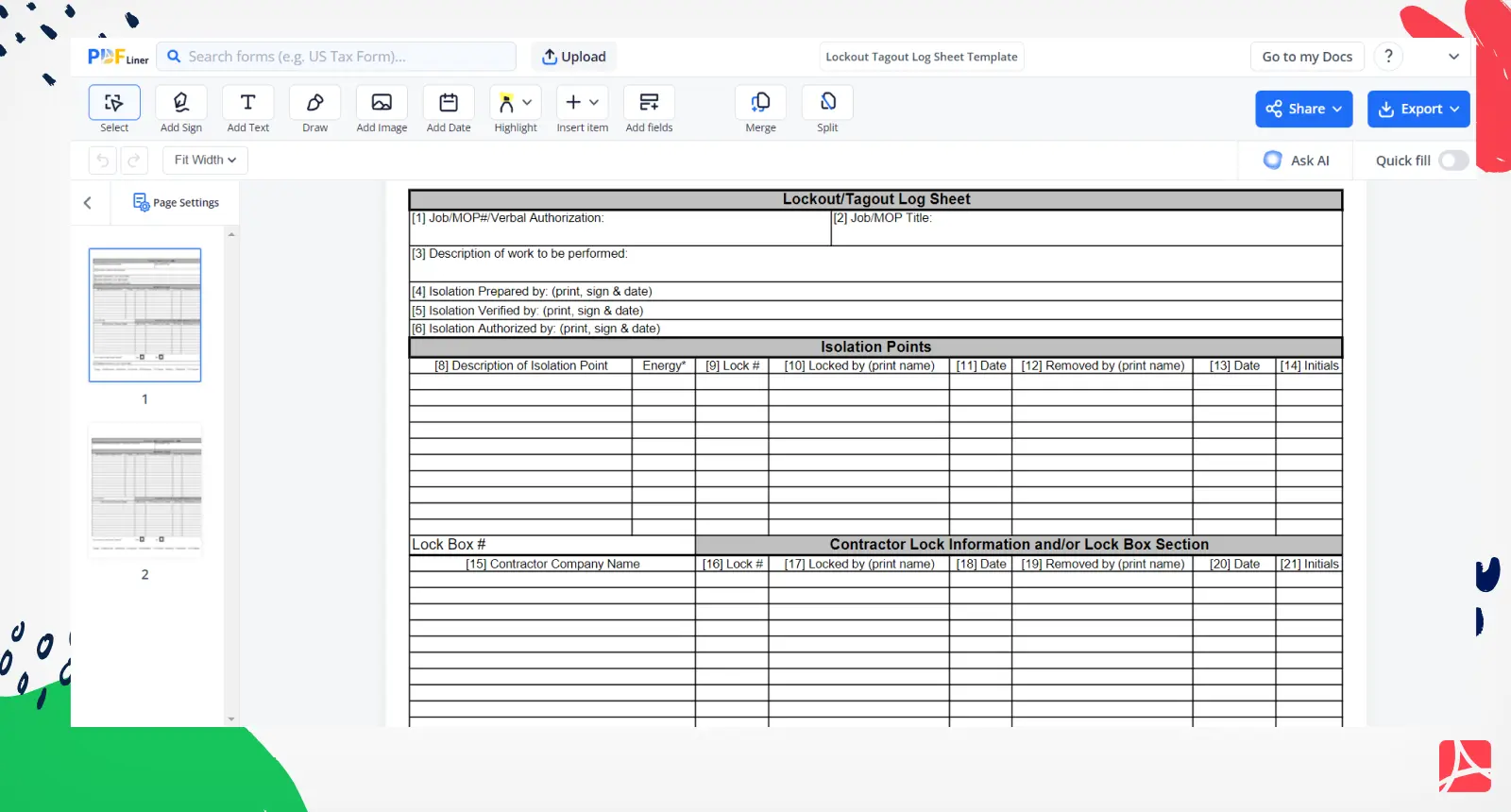
Sample Lockout Tagout Program Template (Adaptable) Use this structure as a starting point:
1. Program Title Lockout/Tagout Energy Control Program
2. Purpose To control hazardous energy during maintenance and prevent injury.
3. Scope Applies to all production, maintenance, and service personnel at [Facility Name].
4. Definitions - Authorized Employee: Trained to implement LOTO - Affected Employee: Operates equipment but doesn’t service it - Energy Isolating Device: Disconnect switch, valve, etc.
5. Procedures - Machine-specific LOTO steps (attach appendix) - Group lockout process - Shift changeovers (lock transfer protocol)
6. Device Requirements - Locks: Red, keyed alike only for emergencies
7. Training Annual training, documented in HR files.
8. Audits Annual inspections by Safety Officer with review and correction log.
9. Compliance Non-compliance may result in disciplinary action.
Real-World Implementation Tips
- Start with high-risk machines: Focus on presses, grinders, and automated lines first.
- Use visual aids: Post laminated LOTO steps near machines.
- Involve workers: Maintenance teams know pain points—get their input.
- Test annually: Simulate a lockout during drills to check response time.
- Update after changes: New equipment or process changes require revised procedures.
Case Example: A manufacturing plant reduced LOTO incidents by 70% after introducing color-coded lock stations by department—each with standard operating procedures posted.
Avoid These Lockout Tagout Mistakes
| Mistake | Consequence | Solution |
|---|---|---|
| Using duct tape to secure tags | Non-compliant, easily removed | Use lockable hasps |
| Skipping verification steps | Risk of accidental startup | Mandatory "test for zero energy" |
| No lockout during cleaning | Common injury cause | Include cleaning in scope |
| Shared locks among staff | Accountability lost | Issue personal locks |
| Infrequent audits | Drift from standards | Schedule annual reviews |
This table should be part of your internal audit checklist.
Closing: Turn Your Sample Into Action
A lockout tagout program sample isn’t valuable just because it exists—it’s valuable when it’s used. Download a template, customize it for your machines, train your teams, and audit it regularly. The best LOTO program is one that’s visible, understood, and enforced daily.
Start today: Pick one high-risk machine, draft its procedure, and run a live drill. Safety isn’t a document—it’s a practice.
Frequently Asked Questions
What is a lockout tagout program sample? A documented example of a LOTO program that outlines procedures, roles, training, and compliance steps for controlling hazardous energy.
Do all employees need LOTO training? Only authorized employees (who perform maintenance) need full training. Affected employees (operators) need awareness training.
Can tags be used alone without locks? Only in limited cases where a lock is not feasible—but this requires a documented exception and additional protective measures.
How often should LOTO procedures be audited? At least annually, per OSHA 1910.147(c)(6).
What happens if a lock is left on after shift change? Use a formal lock transfer procedure: outgoing worker removes lock only after incoming worker has applied theirs under supervision.
Are LOTO programs required for corded plug equipment? Yes, if the plug is under the exclusive control of the worker and unplug is the only energy source. Otherwise, a full LOTO may be needed.
Can electronic locks be used for LOTO? OSHA permits it only if the system provides equivalent protection to physical locks—most still require mechanical isolation.
FAQ
What should you look for in Lockout Tagout Program Sample for Real-World Safety Compliance? Focus on relevance, practical value, and how well the solution matches real user intent.
Is Lockout Tagout Program Sample for Real-World Safety Compliance suitable for beginners? That depends on the workflow, but a clear step-by-step approach usually makes it easier to start.
How do you compare options around Lockout Tagout Program Sample for Real-World Safety Compliance? Compare features, trust signals, limitations, pricing, and ease of implementation.
What mistakes should you avoid? Avoid generic choices, weak validation, and decisions based only on marketing claims.
What is the next best step? Shortlist the most relevant options, validate them quickly, and refine from real-world results.